During a rush, the phone is usually the first thing to lose
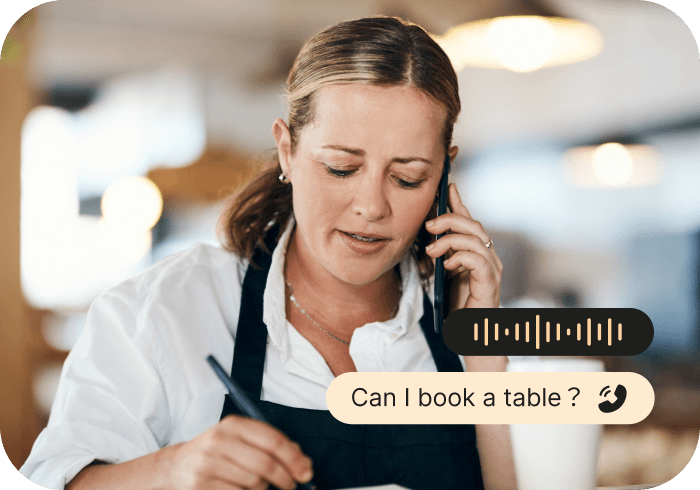
Ask any restaurant owner what happens to phone calls during peak hours, and the answer is usually honest: “We try. But sometimes we just can’t get to it.”
The phone rings while guests are lining up. It rings while staff are already stretched thin.
Eventually, someone makes a quiet decision: serve the people in front of us first. The problem is — the people on the phone were customers too.
Missed calls aren’t rare
Not because staff don’t care. But because the system makes it unavoidable.
A human can only:
Answer one call at a time.
Focus on one conversation.
Be interrupted so many times before mistakes happen.
And when calls go unanswered, most customers don’t leave a voicemail.
They don’t wait.
They don’t call back.
They order somewhere else. It is the hidden cost of “we’ll call them back later”.
Many restaurants assume missed calls are recoverable. In reality:
Most callers are trying to place an order right now.
Calling back later often means missing the moment.
Even a short delay pushes customers to competitors.
One owner told us: “If they’re calling, they’re hungry. If we don’t answer, they don’t wait.”
That’s why missed calls are one of the least visible but most expensive leaks in restaurant revenue.
Why can’t more training truly solve the problem of missed calls?
Some restaurants try to solve this with:
More staff training
Clearer phone rules
Asking the team to pick up faster
But none of that changes the core constraint: One person. One phone call.
During peak hours, every call competes with:
Guests at the counter
Orders waiting to be packed
Drivers asking questions
Kitchen communication
The phone becomes a bottleneck — and no amount of effort removes it.
What AI phone answering actually changes?
AI phone answering doesn’t make staff work harder. It removes the bottleneck entirely.
Here’s what changes immediately:
Calls are answered instantly. No ringing. No hold. No busy signal.
All calls are handled at the same time. Ten calls coming in? Ten conversations happen in parallel.
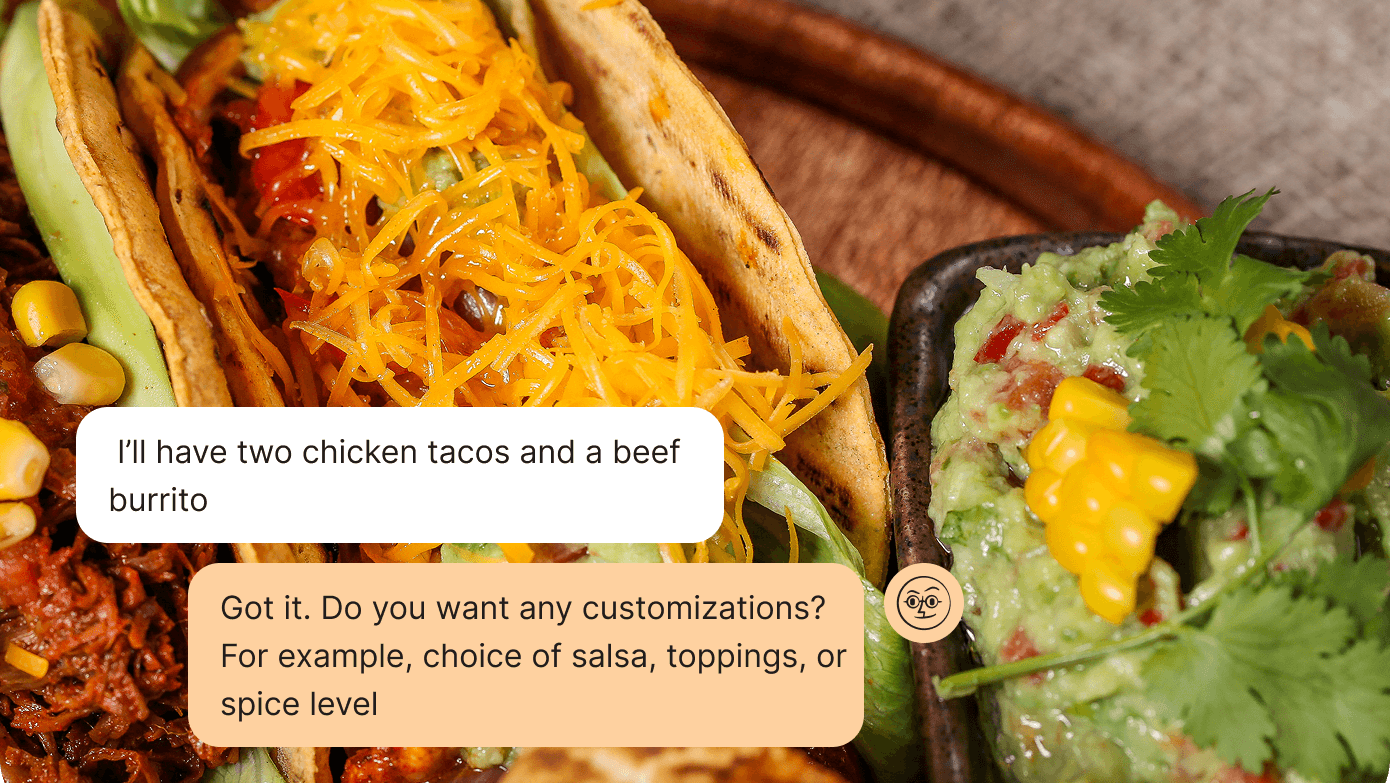
Calls become completed actions. Not messages. Not callbacks. Orders are placed. Reservations are booked. Questions are answered.
Why peak hours are where AI makes the biggest difference?
Peak hours expose the weakness of traditional phone handling. That’s exactly why AI works best there.
During rush periods, AI:
Absorbs call spikes without delay
Keeps staff focused on in-store guests
Prevents small interruptions from becoming big problems
Several operators have told us the same thing in different words: “It’s not that we sell more — it’s that we stop losing what we should’ve sold.”
The revenue impact most restaurants underestimate
AI phone answering rarely creates new demand. It captures existing demand that used to disappear.
That includes:
Orders that never got placed
Reservations that never got confirmed
Customers who never tried again
Even recovering a few calls per shift can:
Cover the monthly cost of the system
Increase daily order volume
Reduce pressure on staff
The math becomes obvious once calls stop slipping through.
How AI compares to traditional answering services
Some restaurants consider outsourced call centers.
Here’s the difference:
| Traditional Answering Service | AI Phone Answering | |
| Answer speed | Delayed | Instant |
| Parallel calls | Limited | Unlimited |
| Can place orders | Usually no | Yes |
| Peak-hour reliability | Inconsistent | Stable |
| Cost scalability | Increases with volume | Predictable |
For high-call restaurants, consistency matters more than anything.
Does AI hurt the guest experience?
This is a common concern — and a reasonable one.
In practice, customers respond to:
- Speed
- Clarity
- Getting what they called for
Most callers prefer a fast, clear AI conversation over:
- Long hold times
- Busy signals
- Calls that go unanswered
What restaurants usually notice first
When restaurants adopt AI phone answering, the first feedback is rarely about technology.
It’s usually about relief.
Fewer complaints about unanswered calls
Less tension around the phone
Staff staying focused
Rushes feeling more manageable
The phone stops feeling like an enemy.
Missed calls were never a small problem. They were just a quiet one.
And for many operators, that makes all the difference.
FAQs
❶ Why do restaurants miss so many calls during peak hours?
During rush hours, staff are already juggling dine-in guests, takeout orders, and delivery coordination. Since human staff can only handle one call at a time, phone calls often become the first thing dropped when things get busy.
❷ Does missing a single call really hurt revenue?
Yes. Customers who call are usually ready to place an order or make a reservation. If no one answers, most won’t wait or call back—they simply move on to another restaurant.
❸ Why doesn’t calling customers back usually recover the order?
Phone orders are highly time-sensitive. By the time a restaurant calls back, the customer’s decision window has often passed, and the order is already placed elsewhere.
❹ Can better training or more staff solve missed calls?
Not effectively. No matter how well-trained the team is, human call handling has a hard limit: one person can only answer one call at a time. During call surges, missed calls are a capacity issue, not a performance issue.
❺ How many calls do restaurants typically miss?
Many restaurants miss 20–40% of incoming calls during peak hours, especially those that rely heavily on phone orders and reservations.
❻ How does an AI phone answering system prevent missed calls?
AI systems can answer every call instantly, handle multiple calls simultaneously, and complete tasks like order taking or reservations without putting callers on hold.
❼ Is peak time where AI phone systems deliver the most value?
Absolutely. Peak hours are when staff are overwhelmed and customers are most likely to hang up. AI doesn’t get busy, tired, or distracted—making it most effective when demand spikes.
❽ Do customers dislike talking to AI on the phone?
Most customers care about speed, clarity, and getting things done. Compared to busy signals or unanswered calls, a fast and clear AI interaction is often preferred—especially during rush hours.
❾ Why is the cost of missed calls often underestimated?
Because missed calls don’t leave obvious traces like complaints or reviews. But over time, they quietly drain revenue by letting ready-to-buy customers slip away unnoticed.
❿ Does AI phone answering mainly help restaurants grow sales?
More accurately, it helps restaurants recover sales they were already losing. AI ensures that every incoming call gets answered and handled properly.