No restaurant owner wants to think about theft — especially from their own team. But the numbers are hard to ignore. The National Restaurant Association has estimated that internal employee theft accounts for a significant portion of restaurant losses, with some industry surveys placing the figure at up to 75% of all inventory shortages. This doesn’t mean your team is dishonest. It means that restaurants — with their high cash volume, perishable inventory, and fast-paced environment — are uniquely vulnerable to losses that range from outright theft to casual waste that nobody tracks.
The good news: most restaurant theft is preventable with straightforward systems. You don’t need surveillance cameras on every wall or an adversarial relationship with your staff. You need clear procedures, consistent monitoring, and a culture where accountability is the norm — not the exception.
Key Takeaways
- Most restaurant theft is small and ongoing — not dramatic. It’s the unrung sale, the over-portioned plate for a friend, the case of beer that walks out the back door.
- Register controls (blind drops, Z-reports, void tracking) catch discrepancies before they become patterns.
- Inventory reconciliation doesn’t need to be complicated — a weekly 15-minute spot check on your top 10 items catches most problems.
Understanding Restaurant Theft: Where Losses Actually Happen
The Four Types of Restaurant Theft
Restaurant theft isn’t just someone pocketing cash from the register. It takes several forms, and recognizing all of them is the first step to prevention. Cash skimming occurs when an employee completes a sale but doesn’t ring it up, pocketing the cash. Inventory theft involves food, alcohol, or supplies leaving the building without authorization. Time theft — clocking in early, clocking out late, or having a coworker clock you in when you’re not there — drains payroll. And “sweethearting” happens when an employee gives free or heavily discounted food to friends and family without authorization.
According to loss prevention research cited by the National Retail Federation, employee theft across all retail and food service categories runs into billions of dollars annually. In the restaurant industry specifically, the combination of high-value perishable inventory and a cash-heavy environment makes the risk uniquely elevated.
Why Small Theft Adds Up Fast
A bartender who pours one unrung drink per shift — worth about $8 — costs the restaurant over $2,900 per year. A cook who takes home $10 in food each shift costs $3,650. A cashier who skims $15 per busy shift costs over $5,000 annually. These are small, nearly invisible amounts on any given day. Over a year, across multiple employees, they can represent tens of thousands in losses — often the difference between a profitable year and a break-even one.
Register Controls: Your First Line of Defense
One Drawer Per Employee
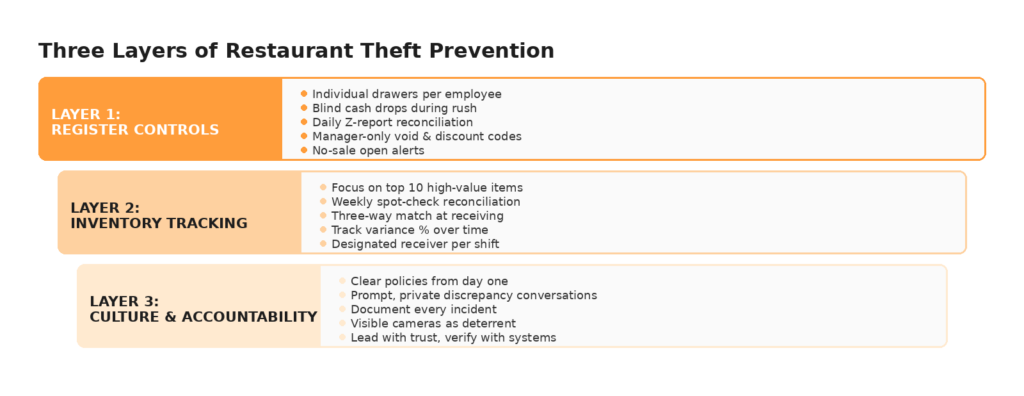
The single most effective register control is assigning one cash drawer to one employee per shift. When multiple people share a drawer, it’s impossible to determine who is responsible for a discrepancy. Individual drawers create clear accountability. At shift change, count the drawer, reconcile it against the POS report, and document any variance. Most POS systems support multiple drawer assignments — use this feature.
Blind Cash Drops
During busy shifts, don’t let cash accumulate in the register. Require blind cash drops — where the employee removes excess cash and places it in a safe without knowing the exact POS-reported total. The manager counts the safe at end of day and reconciles against the system. This prevents an employee from knowing exactly how much they could skim without detection.
Z-Reports and Daily Reconciliation
Every POS system generates a Z-report (end-of-day sales summary). Review this daily — not weekly, not monthly. Compare the Z-report total against actual cash collected, credit card settlements, and any comps or discounts. A variance under 0.5% is normal (coins, rounding). Consistent variances above 1% — especially in one direction — indicate a problem that needs investigation.
| Red Flag | What It May Indicate | Recommended Action |
|---|---|---|
| Consistent cash-short at close | Cash skimming or unrung transactions | Assign individual drawers; cross-check with camera footage during peak times |
| High void or refund rate | Voiding transactions after collecting cash | Require manager approval for all voids; review void reports daily |
| Excessive employee discounts | Unauthorized free food for friends/family | Set discount limits in POS; require manager code for discounts above threshold |
| Register open with no transaction | Drawer opened to make change or skim | Review “no-sale” open reports; set alerts for frequency |
| Sales lower on specific shifts | Potential unrung sales during that employee’s shift | Compare average ticket and transaction count across employees working same hours |
Void and Discount Tracking
Voids and discounts are the most common vehicles for register theft. An employee rings up a cash order, collects the money, then voids the transaction — the POS shows no sale, but the cash is gone. The fix is simple: require manager approval (via a separate code or card) for every void and every discount above a set threshold. Review the void report daily. If one employee has significantly more voids than others, investigate.
Inventory Controls: Tracking What You Have
The 80/20 Rule of Inventory Monitoring
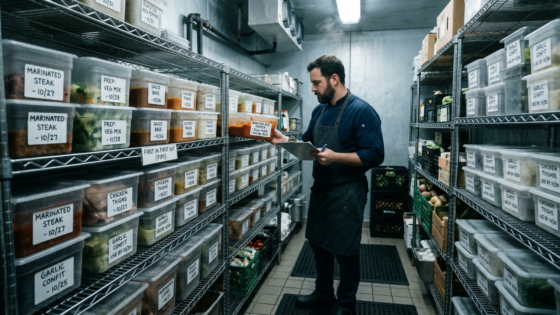
You don’t need to count every onion. Focus on the items that represent the most value and the highest theft risk: proteins (chicken, beef, shrimp, fish), alcohol, cooking oils in bulk, and high-value specialty ingredients. These top 10–15 items typically account for 60–80% of your food cost. If you track only these, you’ll catch the vast majority of inventory issues.
Weekly Spot Checks
Choose 5–10 items each week and do a quick reconciliation: starting inventory + purchases – what the POS says you sold = what should be on the shelf. Compare that to what’s actually there. A small variance (2–5%) is normal for any kitchen due to waste, portioning inconsistencies, and spoilage. A variance above 10% on the same item over multiple weeks is a red flag that warrants investigation.
Receiving Controls
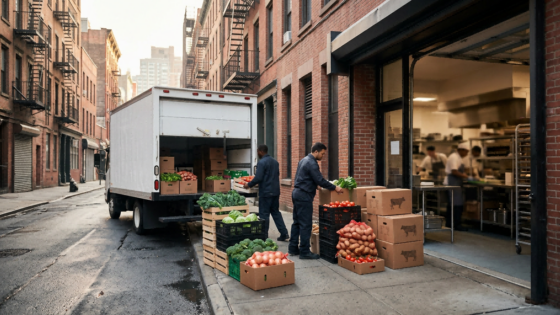
Theft often starts at the back door. Deliveries should be checked against purchase orders — not just signed for blindly. Assign one person per shift as the designated receiver who counts items, checks weights, and verifies quality. Short deliveries happen more often than most owners realize, and they’re indistinguishable from internal theft if you’re not catching them at the point of receipt. The Food Marketing Institute recommends that every receiving process include a three-way match between the purchase order, the delivery ticket, and a physical count.
Technology That Helps
POS-Level Controls
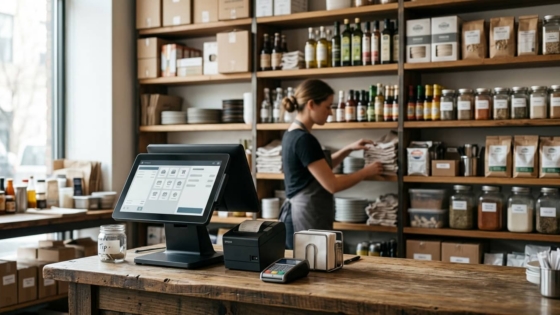
Modern POS systems — including MenuSifu, which many Chinese restaurants use — offer built-in features for theft prevention: individual employee logins, manager-only void codes, automatic Z-reports, and transaction-level audit trails. If you’re not using these features, you’re paying for a system and getting a fraction of its value. Spend an hour in your POS settings activating the security features that are probably already there.
Camera Systems
A basic camera system covering the register area, the back door, and the walk-in cooler costs $500–$1,500 and pays for itself quickly. The goal isn’t to catch people in the act — it’s deterrence. When employees know the register area is on camera, casual theft drops dramatically. Position cameras visibly, not hidden. You want people to see them.
Automated Order Tracking
Every order that bypasses the POS is a potential loss. When orders come in by phone and get scribbled on a notepad, there’s no digital trail connecting the customer’s payment to the kitchen’s output. Systems that capture phone orders digitally — like Tunvo’s AI voice agent, which sends every phone order directly to the POS — eliminate this gap. Every order is recorded, timestamped, and reconcilable against payments.
Building a Culture of Accountability (Without Building a Prison)
Clear Policies From Day One
Include your theft and loss prevention policies in your employee handbook and review them during orientation. Be specific: “All voids require a manager code,” “Food may not be consumed without manager approval,” “Employee meals are limited to one per shift, recorded in the POS.” Clarity prevents both intentional theft and innocent misunderstandings.
Lead With Trust, Verify With Systems
The worst approach is to create an atmosphere of suspicion. The best approach is to treat your team with respect while maintaining systems that make theft difficult and detectable. Most employees are honest. The systems exist to protect them as much as the business — when a register comes up short, individual drawers tell you exactly who to talk to, rather than casting suspicion on everyone.
Address Problems Promptly
When you find a discrepancy, address it immediately and privately. Don’t let small issues slide — they escalate. A $10 shortage that goes unaddressed becomes a $50 shortage next month. Conversely, don’t assume guilt. Have a calm conversation, present the data, and ask for an explanation. Many discrepancies have innocent causes: incorrect change-making, forgotten voids, miscounted deliveries. The Society for Human Resource Management recommends documenting every discrepancy conversation, regardless of outcome, to establish a clear record.
Frequently Asked Questions
What’s the most common form of restaurant theft?
Unrung transactions — where an employee completes a cash sale without entering it in the POS — are the most common and hardest to detect form of register theft. For inventory, the most common losses come from unauthorized employee meals, over-portioning, and small quantities of high-value items (alcohol, proteins) leaving the building. A combination of individual register drawers, daily Z-report reconciliation, and weekly inventory spot checks addresses all three.
Should I install cameras in my restaurant?
Yes, at minimum covering the register area, back door, and storage areas. The primary value of cameras is deterrence, not investigation. Visible cameras reduce casual theft significantly. Make sure you comply with local privacy laws — in most jurisdictions, you can record common work areas but not restrooms or changing areas. Inform employees that cameras are in use, which is both a legal requirement in many states and a deterrence enhancer.
How do I handle a suspected employee theft?
Gather data first — don’t confront on suspicion alone. Review POS reports, camera footage, and inventory records for patterns over at least a week. When you have concrete evidence, have a private conversation with the employee, present the data factually, and ask for their explanation. Document everything. If theft is confirmed, follow your termination procedure and consult with a labor attorney if the amount warrants it. Never publicly accuse an employee or discuss the situation with other team members.
Every phone order that skips the POS is a gap in your records. Tunvo’s AI voice agent captures every call, logs every order, and sends it straight to your POS — giving you a complete, auditable trail. Book a demo or start your free trial →