Every year, the same thing happens. The regulars take vacation. The office lunch crowd thins out. The neighborhood quiets down. For many restaurant owners — especially in urban markets like New York — July and August arrive like clockwork, and with them comes the summer slowdown.
But here’s what I’ve heard from the Chinese restaurant owners I work with across New York: the operators who struggle most in summer are the ones who never saw it coming. The ones who hold steady — sometimes even grow — are the ones who planned two months ahead and gave customers a reason to keep showing up.
This guide walks through the real causes of the summer dip, and the specific moves that make a measurable difference.
Key Takeaways
- The summer slowdown is predictable — which means it’s also preventable with early planning.
- Delivery and takeout become more important when foot traffic drops; making those channels frictionless is critical.
- Promotions that reward existing customers are more cost-effective than trying to acquire new ones during slow months.
- Every missed phone call during summer is a double loss: the order you didn’t capture, and the customer who called a competitor instead.
Why July and August Are Hard for Restaurants
The summer slowdown isn’t random. It follows predictable patterns tied to how people’s lives change when school is out and vacation season begins.
Vacations empty your regular customer base
Your regulars — the couples who come every Friday, the office workers who order lunch three days a week — are traveling. According to NetSuite’s analysis of restaurant seasonality, while restaurant sales broadly trend upward from January to July on national averages, urban independent restaurants often see a pronounced dip in mid-to-late summer as local customers leave for extended travel.
The office lunch crowd disappears
Remote work and summer schedules mean fewer people making midday decisions about where to eat near the office. Sauce’s analysis of restaurant slow seasons notes that August in particular hits hard in urban areas, as both business districts and residential neighborhoods experience reduced foot traffic simultaneously.
No built-in event anchors
Unlike November (Thanksgiving), December (holidays), or February (Valentine’s Day), July and August have no natural dining occasions that pull large groups of people to restaurants. Without built-in demand drivers, restaurants have to create their own urgency.
The High-Cost Mistake: Chasing New Customers in Summer
The instinct when sales drop is to advertise more — to spend your way out of the slowdown by attracting new customers. This rarely works in summer, and here’s why: it costs significantly more to acquire a new customer than to bring back an existing one. HubSpot’s research on seasonal sales slumps consistently finds that leaning into existing customer relationships — through loyalty programs, personal outreach, and re-engagement offers — produces better ROI than acquisition-focused campaigns during slow periods.
For Chinese restaurants in New York, this matters even more. Your regulars already trust you. They just need a reason to come in during a month when dining out isn’t on top of their to-do list.
Five Strategies That Actually Work in July–August
1. Create a summer-specific menu or limited-time items
Seasonal menus accomplish two things at once: they give existing customers something new to try, and they give you fresh content for social media and email marketing. Dennis Food Service’s seasonal restaurant guide recommends building a summer menu around lighter dishes, refreshing drinks, and seasonal produce — not a full overhaul, but 4–6 new items that signal to customers that something worth visiting is happening.
For Chinese restaurants specifically, summer congee variations, chilled noodle dishes, and iced teas made with lychee or longan are low-effort additions that photograph well and give customers conversation-starting items to share on social media.
2. Lean harder into delivery and takeout
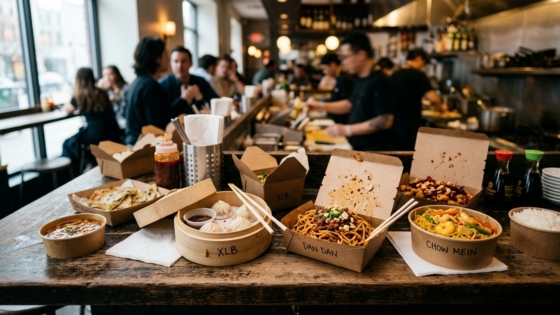
When customers don’t want to leave the house in the heat, delivery becomes the bridge between them and your kitchen. DoorDash’s research on slow-period restaurant strategies found that restaurants with frictionless delivery and pickup options hold steady better during slow periods than those relying primarily on dine-in traffic.
The risk of leaning into third-party delivery in summer is the commission hit — platforms typically charge 25–30% per order. A smarter approach is to use summer as the season to build your own direct ordering channel: promote your phone number, train customers that calling gets them the same food faster, and capture those orders without giving up margin.
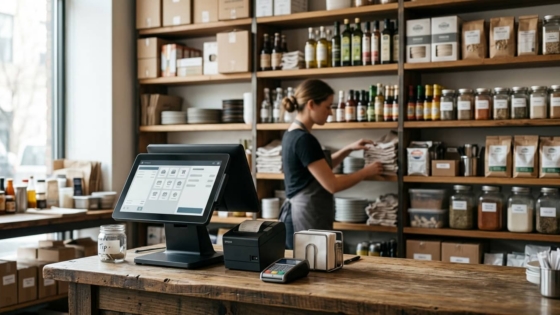
This is where Tunvo’s AI voice agent directly addresses a summer pain point: when your team is running lean during a slow month, missed calls are even more costly. The AI answers every call, takes the full order in English or Mandarin, and sends it straight to your MenuSifu POS — so you never lose a phone order because someone was busy with a dine-in table.
3. Build a loyalty re-engagement campaign
Servme’s off-peak restaurant marketing guide recommends identifying customers who haven’t visited in 30–60 days and sending them a targeted re-engagement offer — a free appetizer, a discount on their favorite dish, or a “we miss you” promotion. For restaurants using a POS or reservation system, this data is already in the system. The move is simply to act on it.
A practical summer version for Chinese restaurants: pull your top 50 regular phone-order customers from the past three months, and send each of them a personal text with a “Summer Special” code — 10% off their next order before August 31st. The response rate on a personal message is substantially higher than a mass email blast.
4. Partner with local summer events
Dennis Food Service and WISK’s seasonal sales guide both highlight local event partnerships as one of the most cost-effective summer traffic strategies. Summer festivals, outdoor markets, and community events bring crowds who are already in a social, spending mindset.
For restaurant owners, this doesn’t have to mean setting up a booth (though that’s an option). It can mean offering a “show your event wristband for 15% off” promotion that targets attendees before or after the event — capturing foot traffic that would otherwise not think to stop in.
5. Use slow periods to improve operations — not just survive them
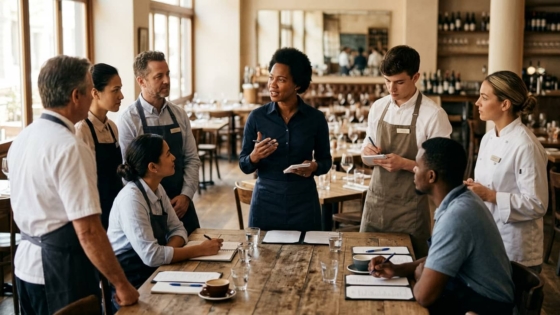
Summer slowdowns are also an underutilized window for operational improvement. With fewer covers to manage, it’s the right time to train staff, audit your menu for profitability, test new processes, and set up technology that makes peak season easier. NetSuite’s restaurant seasonality analysis frames slow periods as “opportunities to expand catering services, host private events, or introduce subscription-based meal plans” — diversification strategies that turn a slow month into an infrastructure investment.
The Phone Problem That Gets Worse in Summer
Here’s the thing that surprises many restaurant owners when they audit their summer performance: the slowdown isn’t always as dramatic as it feels. Sometimes the real problem is that a meaningful percentage of the calls coming in during summer — when your team is running smaller — simply aren’t being answered.
In summer, staffing is already leaner. If two team members call in sick on a Friday evening in August, and you’re operating with a skeleton crew, those inbound calls go unanswered. Each one is a real order that went to a competitor.
The fix isn’t necessarily more staff. It’s making sure your phone channel is covered regardless of how many people are in the restaurant. Tunvo was built specifically for this problem — an AI voice agent that handles every inbound call, takes the full order with all the customizations and modifications a Chinese restaurant order requires, and sends it directly to the POS without your team lifting a finger on the phone.
A slower summer month is actually the best time to set up and test this kind of system — lower stakes, time to train, and you’ll be fully ready before the fall rush arrives.
What a Summer Action Plan Looks Like
| Timing | Action | Expected Outcome |
|---|---|---|
| May (prep) | Design 4–6 summer menu specials; build loyalty re-engagement list | Promotions ready before the dip hits |
| June (launch) | Launch summer menu; send re-engagement SMS to lapsed customers | Capture early summer traffic; reactivate regulars |
| July (sustain) | Partner with 1–2 local events; run “no-peek” envelope promo | Drive traffic from event spillover; build August anticipation |
| August (protect) | Lean into delivery; ensure phone coverage; set up fall menu teasers | Maintain minimum revenue; build momentum into September |
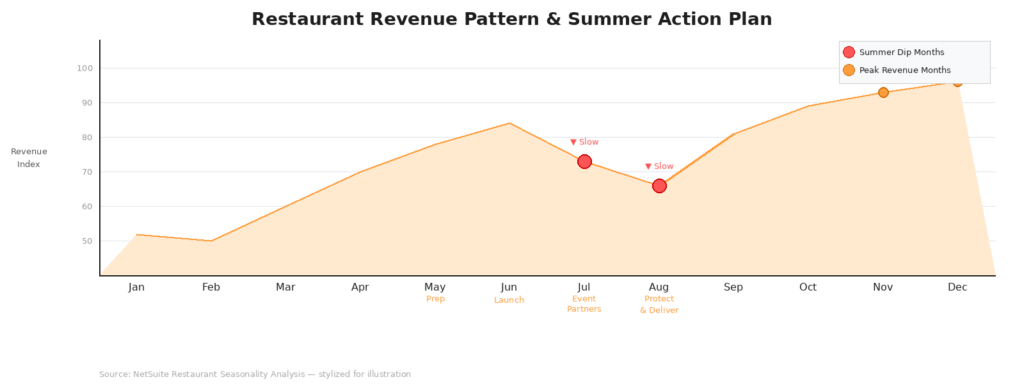 A typical urban restaurant revenue pattern — and when to deploy each summer strategy.
Frequently Asked Questions
When does the summer slowdown typically start for restaurants?
The slowdown usually begins in mid-July and deepens through August. Industry data consistently identifies August as one of the slowest months for urban restaurants, with the impact most pronounced in neighborhoods that lose residents to summer travel. Restaurants near schools and universities may see it start earlier, as student traffic disappears when summer semester ends.
Should I reduce my menu during slow summer months?
Reducing your menu slightly during slow months is generally smart — it simplifies kitchen operations, reduces waste, and makes your remaining offerings feel more curated. The key is to replace a few slow-moving items with 2–4 seasonal additions that give customers a reason to visit and give you fresh marketing content. A summer menu signals that something new is happening; a stripped-down winter menu just feels like a cutback.
Is it worth investing in paid advertising during the summer slowdown?
Targeted paid advertising can work in summer, but the priority should be re-engaging existing customers before acquiring new ones. Loyalty outreach and SMS campaigns to past customers typically deliver better ROI than paid acquisition during slow periods, because you’re not paying to overcome a trust barrier that doesn’t exist with someone who already likes your food.
How do I handle staffing during a slow summer without overpaying labor costs?
Use real sales data — not guesses — to right-size each shift. Most POS systems can show you historical call and order volume by day and hour. Cross-train your team to cover multiple roles, which gives you flexibility without adding headcount. And for phone coverage specifically, consider an AI voice agent that handles inbound calls so you’re not staffing around the phone during a month when orders are lighter.
Every missed call in summer is doubly costly: you lose the order, and you probably lose the customer to the place that picked up. Tunvo’s AI voice agent answers every call, takes the full order, and sends it to your POS — so your team can focus on the tables in front of them.