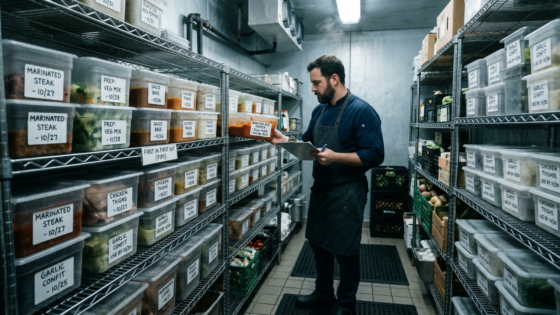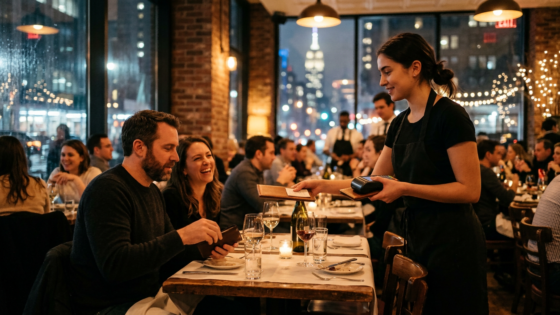
The restaurant next door has the same food, the same rent, and a similar crowd — but they’re pulling in noticeably more revenue every Friday night. The difference? They pour wine. You don’t.
Getting a liquor license in New York City is one of the more painful bureaucratic journeys a restaurant owner can take. The process involves state agencies, community boards, public hearings, background checks, and a timeline measured in months, not weeks. For a busy operator already juggling staffing shortages and thin margins, it can feel like one obstacle too many.
And yet, the math is hard to argue with. The operators who went through the process rarely regret it. The ones who are still waiting usually wish they had started sooner.
This guide walks through what the NYC liquor license process actually looks like in 2026 — what types of licenses exist, what they cost, what the biggest obstacles are, and how to decide whether it makes sense for your restaurant.
Key Takeaways
- Timeline: 22–26 weeks for a full license. A temporary retail permit — now available in about 2–3 months — lets most restaurants start serving while the full application is processed.
- Total cost typically runs $4,300–$10,000+, depending on license type, location, and whether legal help is needed to navigate community board issues.
- Beer and wine only is the faster, cheaper path. It skips the 500-Foot Rule, costs less, and is approved faster — a practical first step for restaurants new to alcohol service.
- The 500-Foot Rule is the biggest NYC-specific obstacle for full liquor licenses. If three or more liquor licenses already operate within 500 feet of your location, expect a public hearing.
- Alcohol delivers the highest margins in your restaurant — industry data puts gross profit on alcohol at 60–80%, versus 3–9% for food.
The Revenue Case: Why This License Is Worth the Trouble
Before getting into the process, it’s worth grounding the decision in numbers — because this is ultimately a financial one.
According to the National Restaurant Association’s 2024 State of the Restaurant Industry report, 7 in 10 consumers who drink beer, wine, or cocktails say the availability of alcohol would make them more likely to choose one restaurant over another. Alcohol isn’t just margin — it’s a customer acquisition tool.
On the margin side, the numbers are striking. Restaurant365 reports that the average pour cost sits around 20% — meaning roughly 80 cents of every alcohol dollar flows to gross profit. Compare that to the 3–9% net margin most food-only restaurants operate on, and the structural advantage becomes clear.
SevenFifty Daily notes that while food sales typically account for 60–70% of a restaurant’s gross revenue, beverages often account for 80% or more of gross profit dollars — because drinks involve less waste, lower labor, and less prep complexity than food.
For a restaurant doing $800,000 in annual food revenue, adding even a modest beer and wine program can realistically contribute $100,000–$200,000 in new revenue at dramatically higher margins. And BusinessDojo’s check size research shows that restaurants with wine and cocktail programs see average checks rise by 20–50% compared to food-only operations.
Types of Liquor Licenses for NYC Restaurants
The New York State Liquor Authority (SLA) issues several license types relevant to restaurants. Choosing the right one upfront matters — applying for the wrong license wastes time and money.
| License Type | What It Covers | Best For | 500-Ft Rule? |
|---|---|---|---|
| On-Premises Liquor (Full) | Beer, wine, and spirits — sold and consumed on-site | Full-service restaurants, bars | Yes — applies |
| Restaurant Wine License | Wine only — food must be primary income source | Restaurants wanting wine, simpler compliance | No |
| Eating Place Beer License | Beer and cider only — on-premises consumption | Casual restaurants, takeout spots adding beer | No |
| Temporary Retail Permit | Full alcohol service while full license is pending | New restaurants waiting for full license approval | Conditional |
For most NYC restaurants exploring alcohol service for the first time, a Restaurant Wine License or Eating Place Beer License is the practical entry point. It bypasses the most complex parts of the process and can be approved significantly faster. If your concept supports a full bar program, the on-premises full liquor license is the end goal — but budget for the longer timeline and higher complexity.
What It Costs: The Real Numbers
The state application fee for an on-premises liquor license ranges from $1,500 to $4,800 depending on county and restaurant size. A beer and wine license runs $960–$1,280. All-in costs including legal fees typically run $3,900–$10,000 for a full license application. In high-demand Manhattan neighborhoods, costs can climb higher if community board hearings require legal representation.
Here’s a breakdown of where the budget goes:
- State application fee: $1,500–$4,800 (full liquor); $960–$1,280 (beer/wine)
- Attorney or consulting fees: $1,500–$3,500 for standard applications; more if 500-Foot Rule applies
- Community board notifications: Certified mail, signage, potential hearing preparation
- ATAP training certification: Required for owners, managers, and servers
- Annual renewal fees: Factor into ongoing operating costs every year
A practical way to frame it: at a $30 average alcohol tab per table, a restaurant doing 15 tables per night recoups the entire licensing cost within the first 10–15 days of service. The investment pays back fast.
Timeline: What to Expect
The current SLA processing time for a full on-premises liquor license is 22–26 weeks. If the application has errors, triggers additional review, or requires a 500-Foot hearing, that timeline extends further.
The good news: New York significantly expanded the temporary retail permit program in 2024, eliminating the prior two-year lookback requirement. Even brand-new locations — not just established businesses — can now qualify for a temporary permit, which typically takes 2–3 months. This means restaurants no longer have to wait six months earning zero alcohol revenue while their full application is processed.
For practical planning:
- Start 4–6 months before your intended launch of alcohol service
- File the community board 30-day advance notice before submitting to the SLA — this is a legal requirement
- Apply for a temporary permit simultaneously with the full application
- Complete ATAP training for all relevant staff before the license is issued
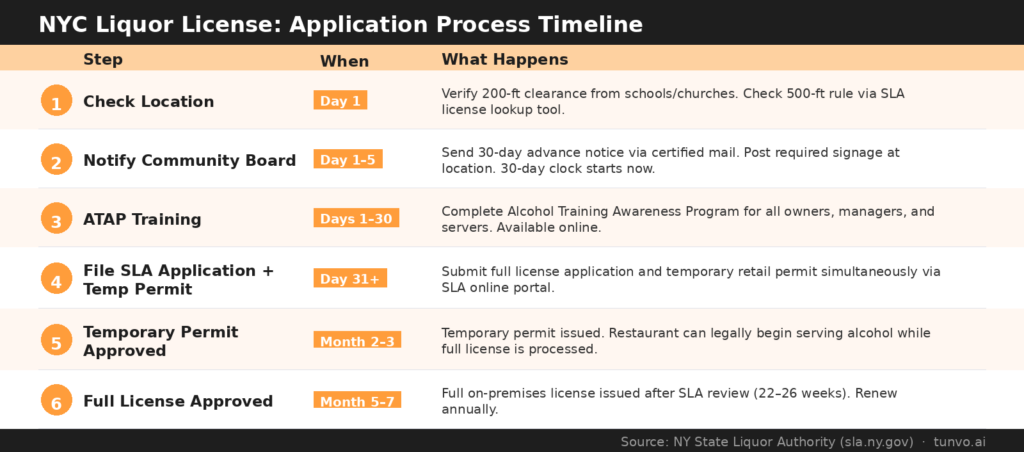 The NYC liquor license process — key steps and realistic timeframes.
The 500-Foot Rule: NYC’s Biggest Obstacle
If you’re applying for a full on-premises liquor license in New York City, the 500-Foot Rule is the single issue most likely to complicate your application — and the one most restaurant owners don’t understand until they’re already in the middle of the process.
What the Rule Says
Under New York’s ABC Law Section 64, the SLA cannot issue an on-premises liquor license to any location within 500 feet of three or more establishments already operating with on-premises liquor licenses — unless the SLA affirmatively finds that issuing the new license would be “in the public interest.”
In dense NYC neighborhoods — Flushing, Chinatown, Koreatown, Midtown, most of Brooklyn — nearly every block triggers this rule. The 500-foot radius covers a lot of ground in a city this compact.
The 500-Foot Hearing
When the rule applies, the SLA must consult with the local community board and hold a public hearing. Factors the SLA weighs include: the character of the proposed establishment, the number of existing licenses in the area, anticipated traffic or noise, and the applicant’s prior history at other locations.
Community board opposition doesn’t automatically mean denial. NYC Community Boards submit opinions, but those opinions are advisory — not binding on the SLA. What typically happens in contested cases is a negotiation: the applicant agrees to operating stipulations (closing by 1 AM, no live music, limited outdoor seating) in exchange for the community board withdrawing opposition. These stipulations become formal conditions of the license.
Beer and Wine Licenses Are Exempt
The 500-Foot Rule applies only to full liquor licenses. A restaurant wine or beer license is not subject to the restriction — another reason beer-and-wine-only is the logical first step for restaurants in dense neighborhoods.
The 200-Foot Rule: Schools and Places of Worship
Separate from the 500-Foot Rule, the 200-Foot Rule prohibits any establishment from receiving a full liquor license if it is on the same street and within 200 feet of a school, church, synagogue, or other place of worship. This restriction has very limited exceptions and applies regardless of community board support. Before committing to a location — or investing in a lengthy application — verify this clearance first.
Step-by-Step: How the Application Works
Step 1: Check Your Location
Before filing anything, physically check: Are you within 200 feet of a school or place of worship? Are there three or more existing on-premises liquor licenses within 500 feet? The SLA website has a license lookup tool. Know your situation before spending money on legal fees or filing fees.
Step 2: Confirm Your Business Entity
The license applicant must be a legally registered business entity in New York. Confirm this is in order before filing — errors here cause delays at the outset.
Step 3: Notify Your Community Board (30 Days Before Filing)
This is a legal requirement. Community boards across NYC require certified mail notification, sometimes accompanied by a questionnaire and posted signage at the proposed location. You cannot file with the SLA until the 30-day period has elapsed.
Step 4: Complete ATAP Training
The Alcohol Training Awareness Program is required for owners, managers, and staff who will serve or supervise alcohol. Online courses are available, take a few hours, and must be completed before the license is issued.
Step 5: File the SLA Application
The application is submitted through the SLA’s online licensing portal. Required documents include: proof of business registration, signed lease, floor plan showing the licensed area, background information for all owners and officers, and proof of community board notification.
Step 6: Apply for a Temporary Retail Permit
Apply for the temporary permit at the same time as the full application. Once approved (typically 2–3 months), it allows alcohol service to begin while the full license is pending. Don’t skip this step — it’s the bridge between application and revenue.
Step 7: Respond to Any SLA Inquiries or Hearing Notices
If the 500-Foot Rule applies, the SLA will schedule a hearing. Engage with your community board proactively before this point — arriving having already built goodwill with board members is significantly better than showing up cold.
Beer-and-Wine vs. Full Liquor: Which Should You Get?
For most Chinese, Korean, and Japanese restaurants in New York City, the beer-and-wine path offers the best combination of speed, lower cost, and reduced complexity. Here’s a direct comparison:
| Factor | Beer & Wine Only | Full Liquor |
|---|---|---|
| Application fee | $960–$1,280 | $1,500–$4,800 |
| Typical timeline | Faster than full liquor | 22–26 weeks |
| 500-Foot Rule | Exempt | Applies in NYC |
| Community board hearing | Less likely to trigger a public hearing | Often required in dense neighborhoods |
| Spirits and cocktails | Not permitted | Permitted |
| Best fit | First-time alcohol service; dense neighborhoods | Restaurants ready for a full bar program |
Many successful NYC restaurants take a staged approach: start with beer and wine, generate the revenue to cover additional legal costs, and apply for the full license 12–18 months later with an established operating track record — which also helps with the community board.
Common Mistakes That Delay the Application
Most application delays trace back to a predictable set of errors:
- Not notifying the community board 30 days in advance. The single most common procedural mistake — it pushes the entire timeline back by at least a month.
- Incomplete background documentation. All owners and officers above a certain ownership threshold must submit personal information. One missing person’s documentation stalls the entire file.
- Floor plan errors. The SLA requires a specific format showing precise licensed-area dimensions. Non-conforming plans are rejected and must be resubmitted.
- Not checking the 200-foot clearance first. Discovering a church or school within 200 feet after filing means rejection with no fee refund.
- Underestimating the 500-Foot hearing timeline. Restaurants unprepared for community board engagement can add 2–4 months to their process.
Staying Compliant After Approval
Getting the license is step one. Keeping it requires consistent attention:
- Hours: Alcohol sales must stop by 4:00 AM in New York. License stipulations or local ordinances may impose earlier closing times.
- Age verification: Selling to anyone under 21 is a serious violation and can jeopardize the license. ID-check procedures are not optional.
- No sale to visibly intoxicated persons: This is statutory — violations can result in suspension or revocation.
- Non-transferability: If you sell the restaurant, the new owner must apply for a new license from scratch. Factor this into any lease or purchase negotiations.
- Annual renewal: Licenses renew annually. Missing the deadline results in a lapse of operating authority.
Frequently Asked Questions
How long does it take to get a liquor license in NYC?
Processing time for a full on-premises liquor license is currently 22–26 weeks from application submission. A temporary retail permit takes roughly 2–3 months and allows alcohol service to begin while the full license is pending. Factor in an additional 30 days before you file — that’s the mandatory community board notice period. Total planning horizon: start 5–7 months before you want to pour your first drink.
What is the 500-Foot Rule and does it apply to my restaurant?
The 500-Foot Rule prevents the SLA from issuing a full on-premises liquor license to any location within 500 feet of three or more existing licensees — unless the SLA finds the new license would serve the public interest. It applies in any municipality with a population over 20,000, which means all of NYC. It does not apply to beer-and-wine-only licenses. In most dense NYC neighborhoods, it’s likely to be triggered for full liquor, but it doesn’t mean automatic denial — it means a hearing and potential negotiated operating conditions.
Can I transfer a liquor license when I buy a restaurant?
No. New York liquor licenses are not transferable between owners. If you buy a restaurant with a license, you must apply for a new one in your own name. The prior operator’s license becomes void at sale. Expect a gap in alcohol service during the new application — factor that into your purchase timeline and negotiations.
What’s the difference between a beer-and-wine license and a full liquor license?
A beer and wine license covers beer, cider, and wine for on-premises consumption. A full on-premises liquor license adds spirits, enabling a complete bar program with cocktails. Full liquor is more expensive, takes longer, and in NYC is subject to the 500-Foot Rule. Beer and wine is exempt from that rule and typically approved faster — making it the practical starting point for most restaurant operators exploring alcohol service for the first time.
What happens if I serve alcohol before my license is approved?
Serving alcohol without a valid license or temporary permit violates New York’s ABC Law and can result in fines, criminal charges, and permanent disqualification from future licensing. Always apply for a temporary permit the moment your full application is submitted — that’s the legal authorization to operate in the interim.
Running a restaurant in NYC means operating on some of the thinnest margins in the country. Every revenue stream matters. A liquor license — even a beer and wine license to start — changes the financial profile of your operation in ways that compound over years.
Managing phone volume is another piece of that same puzzle. When Friday night gets busy, the phones don’t stop ringing — and every missed call is a missed order. Tunvo’s AI voice agent answers every call, takes orders, and syncs directly to your POS — so your team can stay focused on the floor instead of the phone.
Every missed call is a missed opportunity. Book a demo or start a 15-day free trial to see how Tunvo handles your phones.