Every restaurant has slow months. For most, it’s January and February — customers are tightening their budgets after the holidays, the weather discourages dining out, and the festive revenue surge feels like a distant memory. For Chinese restaurants, the pattern can be even more pronounced: Lunar New Year might bring a spike, but the weeks before and after can be eerily quiet. The restaurants that survive these troughs aren’t necessarily the ones with the best food — they’re the ones that planned for the dip before it arrived.
Cash flow management isn’t glamorous. It doesn’t make your food taste better or your dining room more inviting. But it’s the skill that determines whether you’re still open when the busy season returns. This guide covers practical, specific strategies — the kind we hear working restaurant owners in New York actually use, not textbook theory.
Key Takeaways
- Build a cash reserve equal to 2–3 months of fixed expenses during your peak season — this is the single most important buffer against slow months.
- Cut variable costs aggressively but protect the things that drive revenue: food quality, key staff, and marketing.
- Use slow months proactively for maintenance, training, and menu optimization that pays off when traffic returns.
Understanding Restaurant Revenue Cycles
The Typical Pattern
Most restaurants follow a predictable annual cycle. The National Restaurant Association has documented that restaurant sales across the U.S. tend to dip in January and February, pick up through spring, peak in summer and around holidays (Mother’s Day, Valentine’s Day, Thanksgiving, Christmas), and then slow again in early winter. For independent restaurants, the swing between a peak month and a slow month can be 20–40% of revenue.
Chinese restaurants often have a slightly different pattern. Lunar New Year (late January to mid-February) creates a brief but intense spike. However, if that spike isn’t managed carefully — if you overstaff or overstock for it — the sharp drop-off afterward can create an even deeper trough than the slow months would have been otherwise.
Why Cash Flow Kills More Restaurants Than Bad Food
A restaurant can have loyal customers, great reviews, and a packed house on weekends — and still close because it couldn’t make rent during a slow stretch. According to data from the Bureau of Labor Statistics, the restaurant industry has one of the highest failure rates of any sector, and while many factors contribute, insufficient cash reserves is among the most common. The distinction between profit and cash flow is critical: you can be “profitable” on paper while still running out of cash if your expenses hit before your revenue collects.
Building a Cash Reserve: The Foundation
How Much to Save
The standard advice is to maintain a cash reserve equal to 2–3 months of fixed expenses. For most independent restaurants, that means covering rent, insurance, loan payments, base utilities, and minimum staffing costs. Calculate your monthly fixed expenses, multiply by 2.5, and that’s your target reserve. For a restaurant with $15,000 in monthly fixed costs, that’s roughly $37,500 in accessible cash or a line of credit.
When and How to Build It
The time to build your reserve is during your best months — not when you’re already in a slow period. Set a rule: during any month where revenue exceeds your average by more than 10%, put at least half of the surplus into a separate business savings account. Don’t touch it for equipment, renovations, or bonuses. It exists for one purpose: to keep the lights on when revenue dips.
If you don’t have a reserve yet, start small. Even setting aside $500 per week during busy months will build a $13,000 buffer over six months. The U.S. Small Business Administration offers resources specifically for small business cash management, including guides on setting up reserve accounts and cash flow forecasting templates.
Cutting Costs Without Cutting Quality
The Three Expense Categories
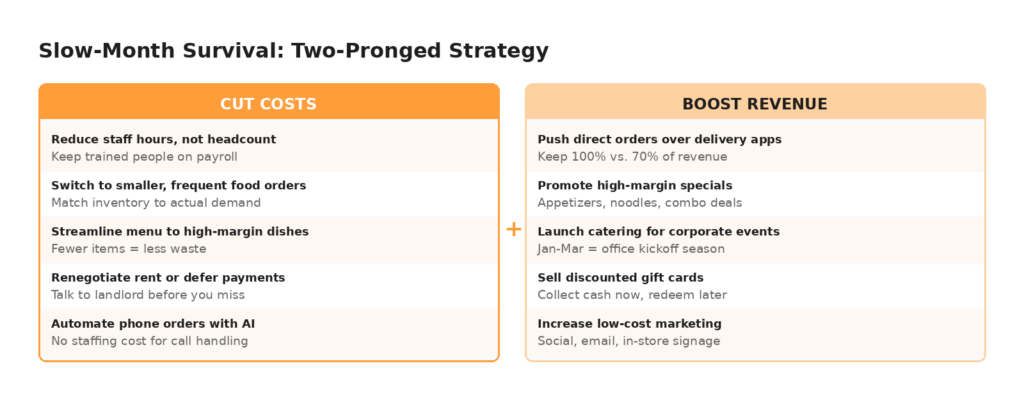
Think of your expenses in three buckets: fixed (rent, insurance, loan payments — you can’t change these short-term), semi-variable (labor, utilities, marketing — you can adjust these), and variable (food costs, supplies, delivery fees — these flex directly with volume). During slow months, your focus should be on the semi-variable and variable buckets.
| Expense Category | Examples | Slow-Month Action |
|---|---|---|
| Fixed | Rent, insurance, loan payments | Negotiate deferrals if desperate; otherwise, these are your baseline |
| Semi-Variable | Labor, utilities, marketing spend | Reduce hours, adjust shifts, lower thermostat, shift marketing to low-cost channels |
| Variable | Food costs, packaging, delivery commissions | Tighten ordering, reduce menu scope, promote high-margin items, shift orders to direct channels |
Labor: The Biggest Lever
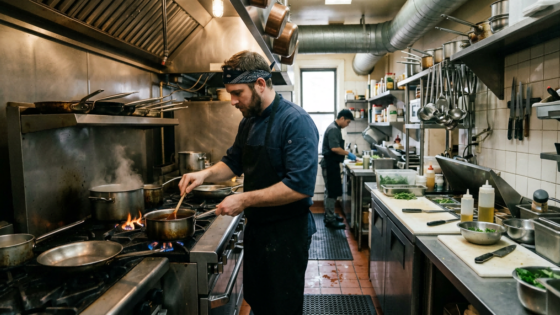
Labor is typically 25–35% of a restaurant’s total costs, making it the most impactful area to adjust. During slow months, consider reducing hours rather than cutting staff entirely — keeping experienced employees on reduced schedules is far cheaper than rehiring and retraining when business picks up. Cross-train employees so one person can cover multiple roles during a slow shift. Stagger shifts more tightly around peak hours rather than maintaining full coverage all day.
Technology can also help. Automating phone ordering with an AI voice agent means you don’t need a dedicated employee manning the phone during slow hours — the calls still get answered, orders still flow to the POS, but you’ve freed a person to handle dine-in service or prep work instead.
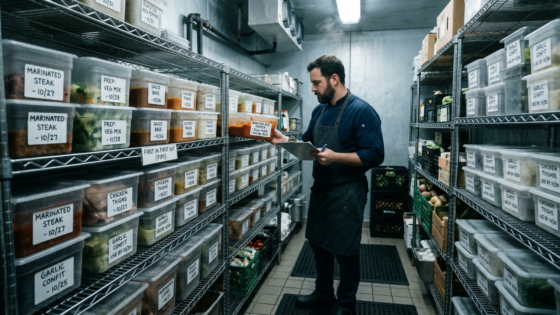
Food Costs: Order Smarter, Not Less
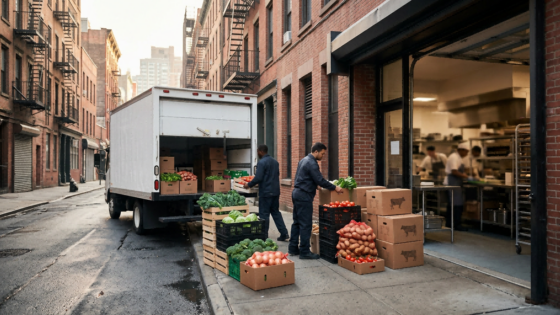
The goal during slow months isn’t to buy less food — it’s to waste less food. Switch from large weekly orders to smaller, more frequent orders that match actual demand. Review your menu for items with low sell-through and high waste rates; consider temporarily removing them. Promote dishes that use your most versatile, longest-shelf-life ingredients. The USDA reports that food waste costs the average restaurant 4–10% of total food purchased — during slow months, that percentage can climb even higher because you’re over-ordering for traffic that doesn’t materialize.
Renegotiating Fixed Costs
While you can’t eliminate fixed costs, you can sometimes renegotiate them. If you’ve been a reliable tenant, your landlord may agree to a temporary rent reduction or a deferred payment plan during slow months, especially if the alternative is vacancy. Insurance premiums can sometimes be lowered by increasing deductibles. Loan payments may be restructured — talk to your bank before you miss a payment, not after.
Revenue Strategies for Slow Months
Promote High-Margin Items
Not all menu items are equally profitable. Dishes with low food costs relative to their selling price — appetizers, specialty drinks, certain noodle and rice dishes — should be your focus during slow months. Feature them prominently on your menu, train your staff to recommend them, and create combos or specials built around them.
Push Direct Orders Over Third-Party Platforms
Third-party delivery platforms take 25–30% commissions on each order. During slow months, every dollar matters more, so aggressively promote direct ordering channels — your own phone line, your website, and walk-in takeout. A customer who orders $40 of food through a delivery app generates roughly $28–$30 in revenue for you. The same order placed directly generates the full $40. That’s a meaningful difference when margins are thin.
Making direct ordering frictionless is key. If customers call and get a busy signal or no answer, they’ll default to the app. This is where making sure every call gets picked up — whether by staff or by an AI-powered system — directly impacts your bottom line during the months you can least afford to lose orders.
Catering and Group Orders
Slow months for individual diners are often active months for corporate events, office lunches, and private parties. Actively market catering services during January through March, when businesses are hosting kickoff meetings, planning sessions, and team events. Create a simple catering menu with easy-to-transport dishes, clear pricing, and a minimum order size that makes the order worthwhile for you.
Gift Cards and Prepaid Deals
Sell gift cards at a slight discount during slow months — for example, “$50 gift card for $45.” You collect cash immediately, and the customer has a reason to come back. According to research compiled by the National Retail Federation, a significant percentage of gift card holders spend more than the card’s face value when they redeem it, making this a win-win strategy.
Using Slow Months Productively
Maintenance and Repairs
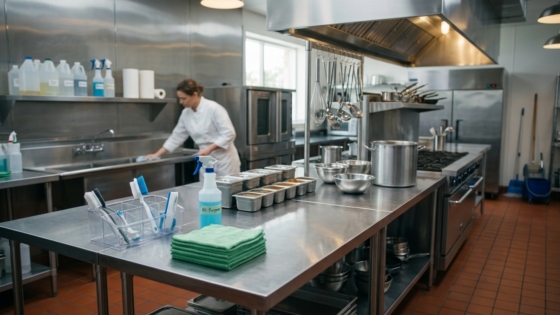
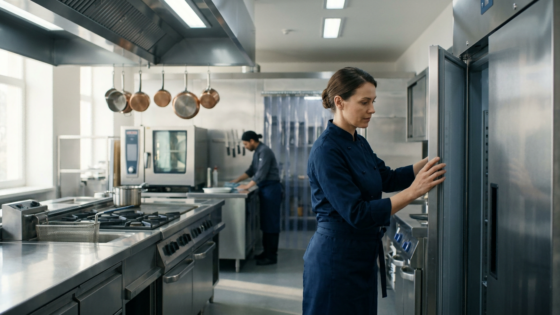
Slow months are the ideal time to handle the maintenance you’ve been deferring: deep cleaning the kitchen exhaust system, servicing refrigeration equipment, repainting the dining room, fixing that wobbly table. These tasks are harder to schedule during busy periods and will cost you more if equipment fails mid-rush.
Staff Training and Menu Development
Use slower shifts to cross-train employees, test new menu items, and refine your processes. The dishes you develop and perfect during February will be ready to launch when traffic picks up in March and April. Similarly, training a line cook to also handle phone orders or front-of-house tasks during slow months creates flexibility you’ll benefit from year-round.
Financial Review and Planning
Sit down with your books during a slow week and analyze your year. Which months were your most profitable? Which menu items had the highest margins? Where did waste peak? Use this data to build a forecast for the coming year. Even a rough monthly revenue estimate — based on last year’s actuals adjusted for any changes — gives you a framework for budgeting, hiring, and inventory planning that will prevent future cash crunches.
Cash Flow Forecasting: A Simple Method
The 13-Week Rolling Forecast
You don’t need accounting software to forecast cash flow. A simple spreadsheet works. Create a 13-week rolling forecast (one quarter) with three rows: opening cash balance, expected cash in (sales + any other income), and expected cash out (all expenses). The closing balance for each week becomes the opening balance for the next. Update it weekly with actuals. This alone will prevent most cash surprises because you’ll see shortfalls coming 4–8 weeks in advance — enough time to act.
Frequently Asked Questions
How much cash reserve should a restaurant have?
Most financial advisors recommend 2–3 months of fixed operating expenses as a minimum cash reserve. For a restaurant paying $15,000 per month in rent, insurance, loan payments, and base utilities, that’s $30,000–$45,000 in accessible cash. Build this reserve during peak months by automatically setting aside a percentage of revenue above your monthly average.
What are the best ways to reduce food waste during slow months?
Switch to smaller, more frequent supplier orders rather than large weekly deliveries. Temporarily streamline your menu to focus on dishes that share common ingredients. Use a first-in-first-out inventory system religiously. Track daily waste by item — even a simple handwritten log reveals patterns that help you adjust ordering within a week or two.
Should I reduce marketing spend during slow months?
No — but shift where you spend it. Expensive marketing channels (paid ads, sponsored posts) can be dialed back, but low-cost channels (social media, email to existing customers, in-store signage for specials) should increase. Slow months are the worst time to go invisible. The restaurants that maintain customer contact through slow periods recover faster when traffic picks up.
Every missed phone call is money left on the table — and during slow months, you can’t afford to lose a single order. Tunvo’s AI voice agent answers every call, in English and Mandarin, and sends orders directly to your POS. See pricing or start your 15-day free trial →