The family meal bundle is one of the most durable revenue strategies in the restaurant industry. It works because it solves a real customer problem — “what do I order for everyone?” — while simultaneously solving a restaurant problem: how to increase the average order value without discounting individual items or pushing customers through an uncomfortable upsell conversation.
Done well, a family meal bundle feels like genuine value to the customer while generating more revenue per transaction for the restaurant. Done poorly, it’s a discount that eats margin and trains customers to wait for the deal. The difference comes down to which items you put in the bundle, how you price it, and how you position it.
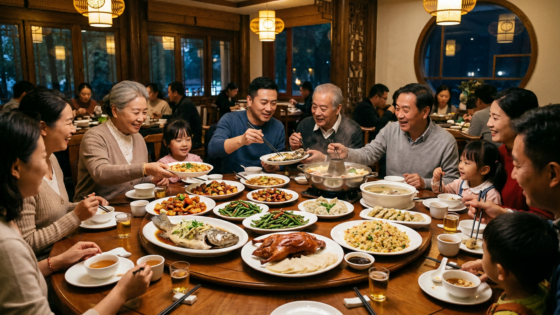
In our conversations with restaurant owners across New York, family meal bundles consistently come up as one of the highest-ROI promotions — particularly for Chinese restaurants where the dining tradition already centers around shared plates and group orders. The operational lift is minimal; the revenue gain is real.
Key Takeaways
- A well-designed bundle increases ticket size by packaging items customers were already likely to order alongside items they might not have added individually.
- The math must be intentional: bundle pricing should be 10–15% below the sum of individual items — enough to feel like a deal, not enough to damage your margin.
- Build around Stars and high-margin sides, not around Plow Horses or items you’re trying to clear. The bundle should amplify your best dishes, not subsidize your weakest ones.
- Phone-order bundles need to be presented actively — either by staff or by an AI voice system — since customers calling in can’t browse a menu board the way they can in person.
Why Family Bundles Work: The Psychology
Decision simplification drives larger orders
The primary reason bundles increase ticket size isn’t the discount — it’s the simplification. A customer calling in to order dinner for four people faces a complex decision: navigate the full menu, mentally estimate portion sizes, coordinate preferences, and calculate the total. A family meal bundle removes most of that friction. One item on the menu, pre-decided, covers the whole table.
The potential to increase average order value per customer is the main benefit of restaurant bundles — by combining different menu items, restaurants increase sales while offering guests convenience when ordering. The convenience benefit is especially pronounced for phone orders, where the cognitive load of navigating a menu verbally is higher than in person.
The perception of savings triggers action
Even a modest discount — 10–12% off individual prices — creates a strong perception of value. Bundle deals can significantly increase the average ticket size; a National Restaurant Association study found that consumers are more likely to purchase a meal bundle when presented with one as a natural option. The psychological mechanism is straightforward: customers feel they’re winning a small negotiation against the menu, which makes them more likely to commit to the larger order.
Building a Bundle That Works: The Item Selection Framework
Use your menu engineering data
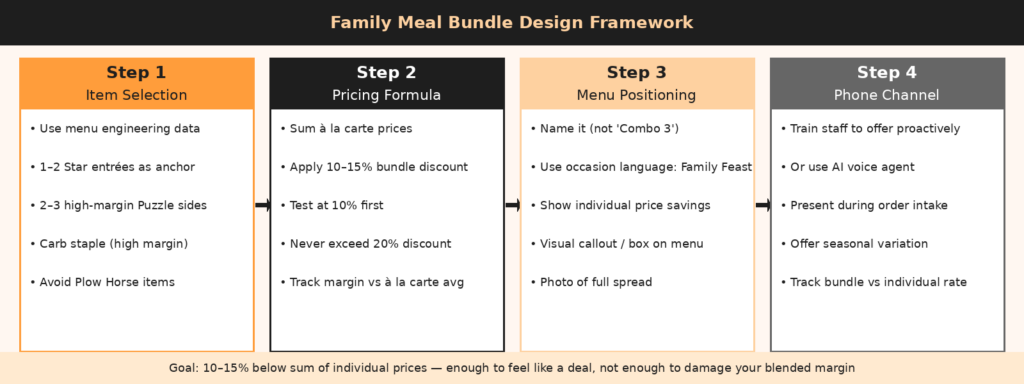
Before designing a bundle, run (or review) your menu engineering matrix. The best bundles are built around one or two Star items — your high-margin, high-popularity dishes — combined with high-margin side dishes or accompaniments that customers might skip individually but will add when they feel like they’re getting a deal.
Avoid building bundles around Plow Horses (high popularity, low margin). The bundle price will be based on a discount from individual prices, and if those individual prices are already thin-margined, the discounted bundle price digs the hole deeper. The goal is to combine items where the blended margin of the bundle is at least as good as what you’d expect from a normal order.
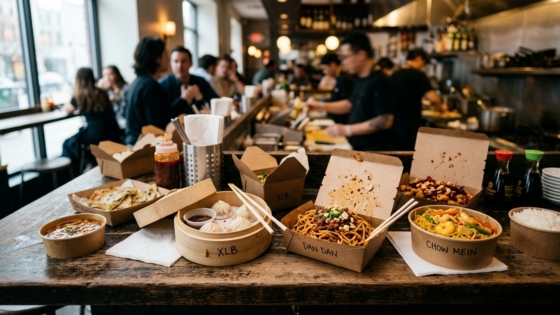
The most effective bundles combine best-sellers with high-margin beverages, or pair a flagship entrée with high-margin sides that are underordered individually. For Chinese restaurants, this typically looks like: a main protein dish (high margin, typically a Star), two or three side dishes or vegetables (high margin, often Puzzle items that sell well in bundles), steamed rice, and a soup — packaged as a dinner-for-four.
Price the bundle deliberately
The standard rule: bundle price should be 10–15% below the sum of individual item prices. This is enough discount to feel meaningful to the customer, but small enough to protect your margin if the bundle items have been selected with margin in mind.
The math: if a family of four would typically order $75 worth of food à la carte, a bundle at $65–$67 feels like a deal while still delivering more revenue than the typical order would if some items were skipped. The key is to bundle strategically — not slash prices indiscriminately. If you drop the combo too low, you get volume but erode margin.
| Bundle Element | Ideal Item Type | What to Avoid |
|---|---|---|
| Main protein (1–2 dishes) | Star item — high margin, high popularity | Plow Horse items with thin margins |
| Side dishes (2–3) | Puzzle items — high margin, underordered individually | Items that require separate ingredient sourcing |
| Staple carb (rice, noodles) | Anything with high margin, low cost per serving | Items with high labor cost relative to price |
| Beverage (optional) | House drinks or high-margin beverages | Premium bottles that anchor too high a price expectation |
| Dessert or app (optional) | Simple, quick-prep Puzzle item | Complex prep items that slow kitchen during peak hours |
How to Present Family Bundles Across Order Channels
In-person and online
On your physical menu or digital board, position the family bundle prominently — typically at the top of an appropriate section, visually boxed or highlighted. Give it a name that invokes sharing and occasion: “Family Dinner for 4,” “Weekend Feast,” or a named combination tied to your restaurant’s identity. Avoid generic labels like “Combo 3” — the name should sell the occasion, not describe the mechanics.
For online ordering, bundle items should have photos of the full spread — a table with all the dishes visible — and a clear callout of the savings compared to ordering individually. Bundle deals should clearly show the savings compared to à la carte pricing — price the bundle and then show what individual items would cost separately.
Phone orders: where bundles often fail
The most underutilized moment for family bundle promotion is the phone order. When a customer calls to order dinner for a group, they’re exactly the target audience — but if the person answering the phone doesn’t proactively mention the bundle, most customers will order item by item from memory, often spending less than a bundle would have delivered.
Training staff to offer the bundle proactively helps, but it requires consistency that’s hard to maintain during busy periods when the phone is ringing between kitchen requests. An AI voice agent solves this problem structurally: every phone call receives the same presentation, and the bundle is offered naturally during the ordering flow without requiring staff attention. Tunvo’s AI voice agent is configured to present upsells and bundle options during phone orders, which means every customer who calls during dinner rush hears about the family meal — not just the ones lucky enough to call when a calm staff member answers.
Seasonal and Limited-Time Variations
One of the strongest promotional moves for family bundles is the limited-time version — a seasonal bundle tied to Chinese New Year, a holiday weekend, or a local event. Technomic data shows 73% of consumers would likely purchase family meal bundles even after restaurants fully reopened for dine-in, indicating that the appeal extends well beyond convenience-driven contexts.
A limited-time family bundle creates urgency, generates social media content, and gives regular customers a reason to order at full ticket price rather than waiting for whatever discount they’ve become accustomed to. Rotate seasonal bundles quarterly and track which versions drive the highest average ticket size.
Frequently Asked Questions
How much should a family meal bundle be discounted from individual prices?
The standard range is 10–15% below the sum of individual prices. At 10%, customers feel the deal while you preserve most of the margin. Beyond 15–20%, you’re giving away margin that’s hard to recover, and you risk training customers to wait for bundles rather than ordering à la carte. Test at 10% first and measure both order frequency and average ticket impact over 30 days before adjusting.
Should I offer multiple family bundle options or just one?
Start with one well-designed bundle before expanding. A single, well-named family meal with clear value messaging is more memorable and easier for staff to promote than a matrix of options. Once the first bundle proves its ROI in your POS data, a second option at a different price point (a premium version for special occasions, or a smaller version for couples) makes sense.
How do I market a family meal bundle to existing customers?
Text messaging and social media are the most direct channels. A short message — “New: Family Dinner for 4, $59. [Your most popular dishes] + rice. Call or order online” — sent to your customer contact list during a weekday afternoon can drive significant weekend orders. Understanding your order patterns helps time these outreach moments for when customers are most likely to be planning a group meal.
What’s the best way to handle family bundles for phone orders specifically?
Phone orders are where bundle promotion most often gets dropped during busy periods. The structural solution is ensuring that whoever handles the call — staff or AI — is prompted to offer the bundle when they detect a group order. An AI voice agent handles this consistently across every call without requiring extra labor. Book a demo to see how Tunvo presents bundle options during the phone-ordering flow.
Can I offer customizable family bundles?
Customizable bundles (“choose any 3 mains and 2 sides”) can work, but they add complexity for both customers and kitchen staff. For phone orders especially, a fixed bundle is easier to describe, faster to confirm, and less prone to confusion. Start with a fixed option and only add customization if customers consistently ask for it.
A family bundle works best when every customer who calls hears about it — not just the ones who call during a quiet moment. Tunvo’s AI voice agent answers every phone call, takes orders in English and Mandarin, and presents your bundles during the ordering flow. Start your 15-day free trial or book a demo to see it in action.