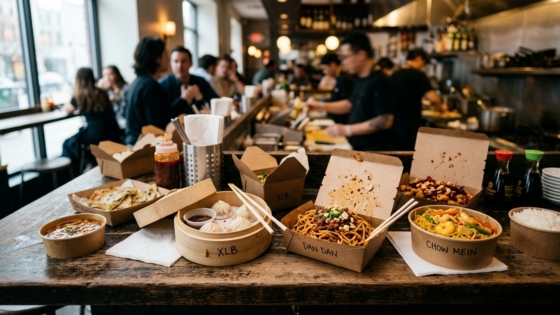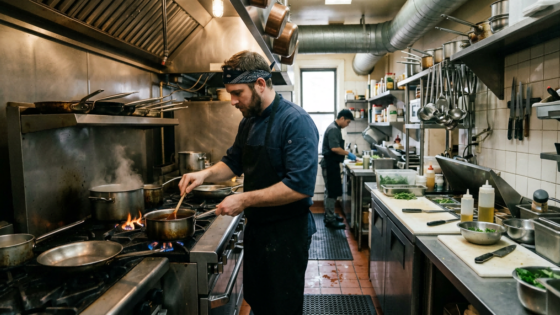
In my conversations with Chinese restaurant owners across New York, one pattern comes up constantly: the restaurants with the most stable revenue aren’t necessarily the ones with the most new customers. They’re the ones with the most loyal regulars — people who order every week without needing a DoorDash coupon to remind them.
A VIP customer list is the infrastructure that makes that kind of loyalty scalable. Instead of hoping your regulars keep showing up, you have a direct line to them — their phone numbers, with permission to reach out — so you can invite them back, reward them, and deepen the relationship over time. The best part? For a Chinese takeout restaurant with significant phone order volume, you’re already collecting the raw material every single day. The question is whether you have a system to capture and use it.
Key Takeaways
- Phone orders are your highest-intent customer touchpoint — someone calling to order has already decided to spend money with you.
- A structured opt-in script turns 20–40% of callers into SMS subscribers without slowing down the order flow.
- VIP tiers (Bronze, Gold, Platinum) give customers a reason to spend more to reach the next level.
- Loyal diners visit 20% more frequently and spend 20% more per visit compared to non-members, according to industry research.
- AI call handling can capture subscriber data automatically — every call answered becomes a potential list-building moment.
Why Phone Orders Are Your Best List-Building Asset
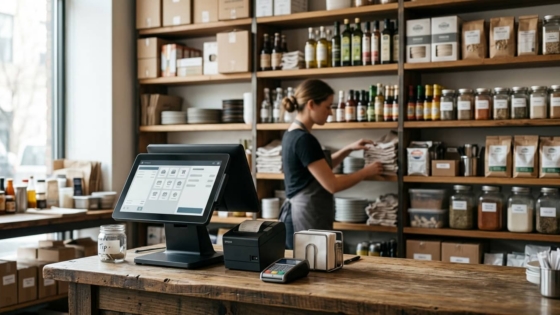
Most restaurants think about loyalty programs in terms of in-store touchpoints — the punch card on the counter, the QR code on the menu. But for Chinese takeout shops, the phone call is often the primary customer interaction, especially for the regulars who’ve been ordering the same combination plate for years.
The person who calls to order is already high-intent. They’ve made a decision. They’re hungry, they want your food, and they’re engaged. That’s the ideal moment to ask them for something — not their credit card, just permission to stay in touch. A well-designed loyalty program can increase repeat orders, boost order value, and give you customer data that helps you personalize future promotions.
The Numbers Behind Loyalty
The math on loyal customers is compelling. Research shows that loyal diners visit restaurants 20% more frequently and spend approximately 20% more per visit than non-loyalty members. For a customer who orders $40 of food twice a month, that loyalty premium translates to roughly $200 more in annual revenue per customer — just from the relationship, not from any extra marketing spend.
Now multiply that by 100 loyal regulars on your list. The value of a well-maintained VIP customer list becomes clear fast.
Designing Your VIP Program Structure
Before you start collecting numbers, you need a clear program structure. Customers opt in more readily when there’s an obvious, tangible benefit to doing so — and they stay opted in longer when the rewards feel real and achievable.
Three Program Models That Work for Takeout
The simplest model is a spend-based points system: earn 1 point per dollar spent, redeem 100 points for a $10 discount. This is easy for customers to understand and easy for you to track in a spreadsheet or basic CRM.
A tiered VIP structure adds more motivation. Customers at higher tiers get bigger rewards, creating an incentive to spend more to move up. A basic three-tier structure might look like this:
| Tier | Annual Spend Threshold | Perks |
|---|---|---|
| Bronze | $0–$299 | Monthly promo texts, birthday free item |
| Gold | $300–$699 | All Bronze + 5% off every order, early access to new menu items |
| Platinum | $700+ | All Gold + 10% off, free delivery, priority call handling |
The third model is a subscription-based VIP where customers pay a small monthly fee (say, $5–$10) for ongoing perks like free delivery, a monthly free appetizer, or a discount on every order. This model works well once you have an established loyal base, but is typically better as a second phase after a points or tier system is running.
Keep It Simple Enough That Staff Can Explain It in 10 Seconds
Whatever structure you choose, your staff needs to be able to explain it quickly during a phone order or at the counter. If the explanation takes more than one sentence, the program is too complex. “Earn points with every order, get free food when you hit 100” clears that bar. A multi-page rulebook does not.
The Phone Order Opt-In System
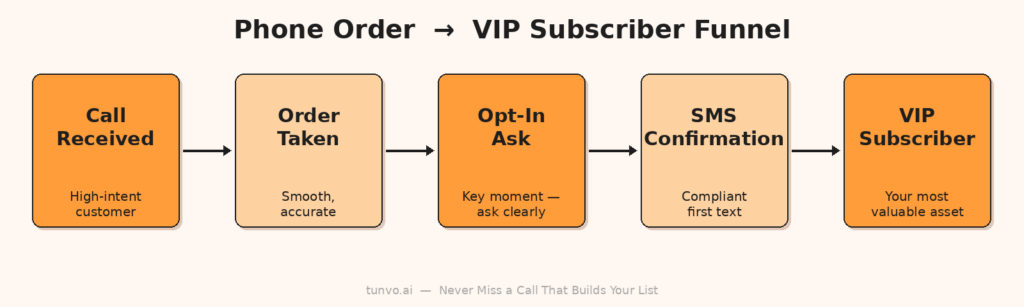
With your program structure in place, you need a consistent opt-in process for phone orders. Consistency is the key word — if it only happens when staff remember to ask, your list will grow slowly and unevenly.
A Simple Opt-In Script
After confirming the order details and giving the customer their total, train your team to add this at the end:
“Before I go — we have a VIP text club for regulars. You’d get exclusive deals, a free item on your birthday, and priority handling during busy periods. Can I add your number to the list?”
This script works because it leads with the customer benefit (deals, birthday gift, priority) rather than asking for something. It also confirms the consent verbally, which is a best practice for TCPA compliance — though you should also follow up with a written confirmation text that includes opt-out instructions, per the legal requirements covered in our SMS marketing compliance guide.
What to Do When Staff Are Overwhelmed
High-volume peak hours are exactly when phone list-building tends to break down. Staff are focused on handling orders quickly, not on running through an opt-in script. This is where Tunvo’s AI voice agent offers a structural advantage: the AI handles the order-taking consistently and can be configured to invite callers to join the VIP list at the end of every call — without requiring staff attention during the rush. Every answered call becomes a potential subscriber, even at 7 PM on a Friday when the kitchen is at full capacity.
Managing and Growing Your List Over Time
A VIP list only has value if you keep it clean and active. Here’s how to manage it effectively without turning it into a full-time job.
Segmentation: Not Everyone on Your List Is the Same
Once you have 100+ subscribers, start segmenting. At minimum, separate your list into frequent buyers (2+ orders per month), occasional buyers (monthly or less), and lapsed customers (no order in 60+ days). Personalized loyalty offers significantly outperform generic blast messages in driving return visits. A win-back offer to your lapsed customers should be different from the promo you send to your weekly regulars.
Reactivating Lapsed Customers
If someone on your VIP list hasn’t ordered in 60 days, they’re at risk of churning permanently. A targeted win-back text — “We miss you, [Name]! It’s been a while. Here’s 15% off your next order, just for VIPs. Call us or reply to order.” — can recover a significant portion of those customers before they’re gone for good. Industry data shows that winning back a lapsed customer costs 5–7x less than acquiring a new one.
Pruning Your List
Don’t hoard unresponsive subscribers. If someone hasn’t opened or responded to any messages in 6 months and has never redeemed an offer, they’re dragging down your engagement metrics and potentially your sender reputation. A final win-back attempt (“Last chance for 20% off — let us know if you’d like to stay on our VIP list”) followed by removal keeps your list healthy and your campaigns focused.
What to Offer VIP Members: Rewards That Actually Drive Orders
The best VIP rewards are ones that feel genuinely special without eating into your margins so deeply that the program doesn’t make financial sense. Common high-value options include free appetizers, percentage discounts on orders above a threshold, free delivery, and birthday treats. For Chinese takeout, a few particularly effective approaches:
Free appetizer with next order — easy to redeem, easy to fulfill, and it reliably increases total order size because customers tend to add more once they’re already ordering. Double points weekdays — drives traffic during your slower periods without cannibalizing the weekend rush. Pre-launch tasting invites — when you add a new dish, text your VIPs first with an exclusive discount. It makes them feel like insiders and gives you early feedback on new menu items before you push them broadly.
Never miss the call that could add a VIP to your list. Tunvo’s AI voice agent answers every call, takes the order straight to your MenuSifu POS, and can be configured to invite callers to join your VIP program — even during peak hours when your team is at full capacity.
Frequently Asked Questions
How many customers do I need before a VIP program makes sense?
A structured VIP program starts delivering value at around 50–100 subscribers. Below that, the program mechanics (tier tracking, segmentation) are probably overkill — you can manage it informally. Once you cross 100 loyal customers with contact info, a proper program structure starts to pay for itself through increased order frequency and larger basket sizes.
Do I need special software to run a VIP list?
Not necessarily at the start. A spreadsheet tracking names, phone numbers, consent date, and spend history is enough to get going. As your list grows beyond 200–300 subscribers, an SMS marketing platform with basic CRM features becomes worth the monthly cost. Most have free tiers or trials that let you test before committing.
How do I handle customers who want to join the VIP list but didn’t call — they ordered online?
Add an opt-in prompt to your online ordering confirmation screen or confirmation email. Something like: “Want exclusive deals? Join our VIP text club — text JOIN to [number].” Online order customers are equally valuable and equally convertible; the touchpoint is just different.
What’s the biggest mistake restaurants make with VIP programs?
Offering rewards that are technically possible but practically hard to redeem. If a customer earns a free appetizer but has to mention it at the start of a busy Friday call to redeem it, many will simply forget or not bother. Design redemption to be effortless — a text response, a code to mention, or automatic application at checkout. Friction in redemption kills loyalty programs faster than anything else.