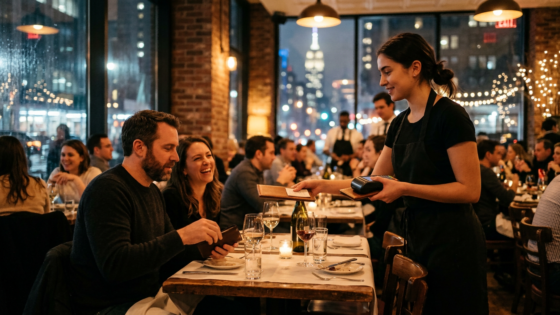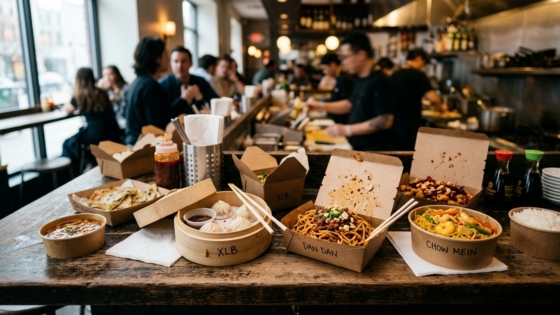
A perfectly prepared dish that arrives soggy, cold, or crushed is worse than a mediocre dish that arrives intact. For delivery-heavy restaurants — especially those serving Chinese cuisine with its wide range of textures and temperatures — packaging is not an afterthought. It’s the last touchpoint before the customer eats, and it shapes their entire perception of your food.
In talking with restaurant owners in New York’s Chinatown and Flushing, we’ve heard the same frustration repeatedly: soup dumplings that arrive as flat, broken wrappers swimming in leaked broth. Lo mein that turns into a congealed brick. Crispy duck that steams itself soft inside a sealed container. Each of these is a packaging problem with a specific, solvable answer.
Key Takeaways
- Match the container to the food’s biggest vulnerability — moisture, heat, fragility, or compression — not the other way around.
- Soup dumplings, fried items, and noodle soups each require fundamentally different packaging strategies.
- Spending an extra $0.10–$0.30 per container on the right packaging can prevent refunds that cost $15–$40 per order.
Why Packaging Matters More Than Most Owners Realize
The True Cost of Bad Packaging
When a delivery order arrives damaged, the cost isn’t just the replacement food. There’s the refund itself, the wasted ingredients and labor that went into the original order, the potential negative review on Yelp or Google, and the likelihood that the customer won’t reorder. Research from the National Restaurant Association has consistently shown that delivery and takeout now account for a significant and growing share of restaurant revenue. For many Chinese restaurants, phone and online delivery orders represent 40–60% of total sales. Getting packaging wrong at that volume isn’t a minor irritation — it’s a revenue leak.
The Difference Between Dine-In and Delivery Quality
A dish that’s perfect when it leaves the kitchen has to survive 15–45 minutes in a bag on a bicycle or in a car. During that time, steam condenses, sauces shift, crispy textures soften, and delicate items get jostled. Your packaging must compensate for every minute of that journey. The best delivery restaurants don’t just pack food into containers — they engineer the packaging around the food’s specific weaknesses.
A Food-by-Food Packaging Guide for Chinese Restaurants
Soup Dumplings (Xiao Long Bao)
Soup dumplings are perhaps the single hardest item to deliver successfully. The wrapper is thin and fragile, the broth inside is a pressurized liquid that can burst from any tear, and stacking or sliding causes them to stick together and rip open. The solution involves several layers: use a rigid, compartmented container — ideally a clamshell with individual wells or dividers — so each dumpling sits in its own space. Place a small piece of parchment or napa cabbage leaf under each dumpling to prevent sticking. Avoid tall stacks; a single layer is ideal, even if it means using a wider container. Finally, keep the container level in the bag with a flat-bottom bag or a bag stabilizer.
Some restaurants have started offering soup dumplings “deconstructed” for delivery: steamed wrappers packed separately from a sealed cup of hot broth, with reheating instructions. This sacrifices the tableside experience but guarantees the customer gets to enjoy the broth instead of losing it to packaging failure.
Noodle Soups (Pho, Ramen, Wonton Soup)
The cardinal rule for soup delivery: separate the broth from the noodles. Noodles that sit in hot broth for 30 minutes will absorb most of it and turn mushy. Use a leak-proof deli container or a sealed soup cup for the broth, and a separate container for noodles, proteins, and garnishes. The customer combines them at home — it takes 10 seconds and produces a dramatically better result. The Serious Eats test kitchen and numerous food writers have repeatedly confirmed this approach.
Fried Items (Spring Rolls, General Tso’s, Crispy Duck)
Crispiness and sealed containers are natural enemies. When hot fried food sits in a closed container, the steam it releases has nowhere to go and immediately softens the exterior. The fix is simple: use containers with vented lids or small vent holes. Paper-lined containers also help by absorbing excess oil and moisture. For particularly delicate items like crispy spring rolls, a perforated clamshell works better than a solid-lid container.
An important note: vented packaging sacrifices some heat retention. For fried items, most customers prefer crispy-but-slightly-cooler over hot-but-soggy. If you’re unsure, ask your regular delivery customers — their feedback on this specific tradeoff is invaluable.
Stir-Fries and Rice Dishes
These are the most forgiving items for delivery, but there’s still a best practice: use microwave-safe, leak-proof containers with secure snap lids. Avoid overfilling — a container packed to the brim will leak sauce when it shifts during transit. Leave about half an inch of headspace. For rice, consider packing it in a separate small container, especially if the main dish has a heavy sauce. This prevents the rice from turning into a saturated mass.
Hot Pot and Shared-Format Dishes
Hot pot delivery has exploded in popularity, and packaging it is a logistical challenge. The best approach is a kit-style package: broth in a large sealed container, proteins and vegetables in separate compartmented trays, dipping sauces in small sealed cups. Include clear assembly instructions — a simple card or sticker that says “Step 1: Heat broth. Step 2: Add proteins. Step 3: Add vegetables.” This transforms a complex restaurant experience into an achievable home experience.
| Food Type | Biggest Risk | Recommended Container | Key Tip |
|---|---|---|---|
| Soup Dumplings | Tearing, broth leakage | Rigid compartmented clamshell | Single layer, parchment under each |
| Noodle Soups | Noodle absorption, sogginess | Separate sealed soup cup + noodle container | Always separate broth from noodles |
| Fried Items | Steam softening crisp coating | Vented clamshell or paper-lined box | Vent holes are more important than insulation |
| Stir-Fries / Rice | Sauce leaking, rice saturation | Snap-lid leak-proof container | Leave headspace; pack rice separately |
| Hot Pot Kits | Complexity, spill risk | Multi-compartment kit with sealed cups | Include assembly instructions |
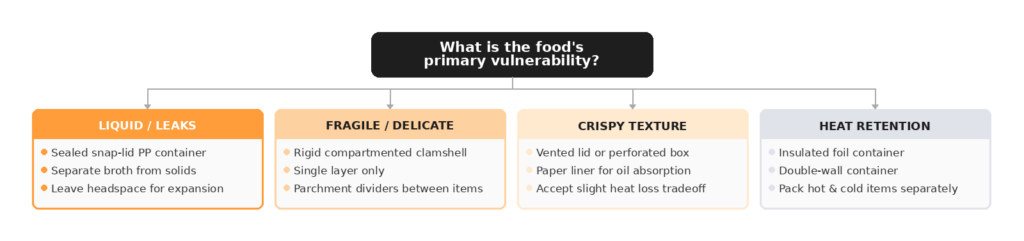 Packaging decision guide: match the container to the food’s primary vulnerability.
Container Materials: Pros and Cons
Plastic (PP Polypropylene)
Polypropylene containers are the workhorse of restaurant delivery. They’re microwave-safe, leak-proof with snap lids, and available in dozens of sizes. They’re the right choice for saucy dishes, rice, and stir-fries. The downsides are environmental — they’re not widely recycled in all municipalities — and they trap steam, which is why they’re wrong for fried items.
Molded Fiber and Bagasse
These plant-based containers are increasingly popular as restaurants respond to customer demand for sustainable packaging. They breathe better than plastic, making them decent for fried items, but they’re not leak-proof and can get soggy from saucy dishes. They work well for dry items, sandwiches, and lightly sauced plates. The Sustainable Packaging Coalition has published extensive guidance on compostable food packaging standards.
Aluminum Foil Containers
Aluminum retains heat well and is widely recyclable, making it a solid choice for casserole-style dishes, baked pasta, and roasted items. It’s not microwave-safe, which is a significant downside since many customers reheat delivery food. It’s also not ideal for acidic sauces (tomato-based, vinegar-heavy) which can react with the aluminum.
Paper and Cardboard
Traditional Chinese takeout cartons — the wire-handle folding boxes — are iconic but functional only for relatively dry items. They leak, they can’t be microwaved if they have a metal handle, and they compress easily. They’re fine for dry noodles or fried rice. For anything saucy, use a liner or choose a different container.
Cost Optimization: Balancing Quality and Budget
The Math on Premium Packaging
A standard plastic deli container costs roughly $0.08–$0.15 per unit. A compartmented clamshell for soup dumplings might cost $0.25–$0.40. That difference — about $0.15–$0.25 per order — is trivial compared to the cost of a refund ($15–$40), a negative review, or a lost repeat customer. The Food Marketing Institute has noted that packaging quality is among the top three factors customers cite when rating delivery experiences.
Buying in Bulk: Where to Source
Restaurant supply stores like WebstaurantStore, Uline, and local wholesale distributors typically offer significant volume discounts. For Chinese restaurants, several Chinatown-based distributors stock containers specifically designed for Asian cuisine, including compartmented dumpling trays and soup-and-noodle combo sets. Buying quarterly in bulk can reduce per-unit cost by 20–30% compared to weekly purchases from a local supplier.
Sustainability Without Sacrificing Function
Finding the Right Balance
Customer surveys consistently show that diners prefer eco-friendly packaging — but not at the expense of food quality. The practical approach is to use sustainable containers where they work (dry items, fried foods, room-temperature sides) and functional plastic where they must (soups, saucy dishes, anything that needs a leak-proof seal). Being transparent with customers about this reasoning — a simple note on your menu or website — earns more goodwill than using compostable containers that fail and ruin the food.
New York City Regulations
New York City has enacted legislation restricting single-use polystyrene foam containers in food service. Restaurants should verify compliance with current NYC Department of Sanitation rules. The shift away from foam has already pushed most restaurants toward PP plastic or fiber alternatives, both of which perform better for food delivery anyway.
Presentation and Branding: The Unboxing Experience
Stickers, Stamps, and Small Touches
A branded sticker sealing the bag, a small “thank you” card, or a printed napkin with your logo transforms a generic delivery into a branded experience. These touches cost pennies per order and create a moment of recognition that reinforces your restaurant’s identity. For restaurants taking phone orders — whether through staff or through an AI voice agent like Tunvo — including a short printed note that says “Thank you for ordering directly!” reminds customers that direct orders support the restaurant more than third-party platforms.
Clear Labeling for Multi-Item Orders
Label every container. A simple sticker or handwritten label that says “Hot & Sour Soup — careful, hot!” or “Scallion Pancakes — eat first for best crunch” prevents confusion and sets expectations. It also shows care. For large orders, number the containers and include a packing slip.
Frequently Asked Questions
What’s the best container for delivering soup dumplings?
A rigid, compartmented clamshell with individual wells for each dumpling is the gold standard. Line each well with parchment or a cabbage leaf to prevent sticking. Keep to a single layer — never stack soup dumplings. Some restaurants offer a deconstructed version for delivery, packing wrappers and broth separately, which eliminates the breakage problem entirely.
Should I separate sauces from the main dish for delivery?
Yes, for most dishes. Separating sauce prevents saturation during transit and lets the customer control the amount. Use small sealed cups (2 oz or 4 oz) for sauces and dressings. The only exception is fully braised or stewed dishes where the sauce is integral to the dish and can’t be meaningfully separated.
How do I keep fried food crispy during delivery?
Use containers with vent holes or perforated lids. The vents let steam escape, which is what causes the crispy coating to soften. Paper liners inside the container absorb excess oil. Accept that some heat loss is a worthwhile tradeoff for maintaining texture — most customers would rather reheat a crispy item than receive a soggy hot one.
Great packaging gets the food there right. But first, someone has to take the order. If phone orders are a big part of your delivery business, Tunvo’s AI voice agent makes sure every call gets answered — in English, Mandarin, and more — with orders going straight to your POS. Book a demo →