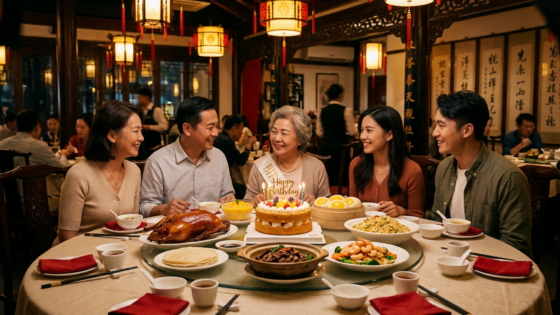
Of all the automated marketing campaigns a restaurant can run, birthday promotions have the highest emotional return on investment. They’re personal. They arrive at a moment when someone is already thinking about celebrating. And they work at a scale that almost no other single tactic can match.
The data backs this up: birthday emails drive a 481% higher transaction rate than standard promotional messages, and 79% of consumers say birthday offers directly influence where they choose to dine. For a Chinese restaurant trying to turn occasional customers into loyal regulars, a well-designed birthday campaign isn’t a nice-to-have. It’s one of the highest-leverage things you can build.
This guide explains how to collect birthday data from phone order customers, what to offer, when to send it, and how to automate the whole thing so it runs without daily management.
Key Takeaways
- Birthday offers drive 481% higher transaction rates than standard promotional messages.
- 79% of consumers say birthday offers influence where they dine — it’s one of the highest-conversion moments in restaurant marketing.
- Birthday celebrants rarely dine alone — most bring 3–5 people, increasing your average party check without extra marketing spend.
- Automation is essential — manual birthday tracking breaks down quickly as your list grows.
- The best birthday offers are simple, generous, and easy to redeem — complexity kills conversion.
Why Birthday Marketing Works So Well for Restaurants
A birthday is a rare moment when a customer is actively looking for a reason to celebrate — and actively open to being treated specially. When your restaurant sends a thoughtful birthday message with a real offer, you’re not just driving one order. You’re tapping into something emotionally resonant: the sense that you know and appreciate this person as an individual, not just as a revenue source.
The Group Effect: One Birthday, Five Orders
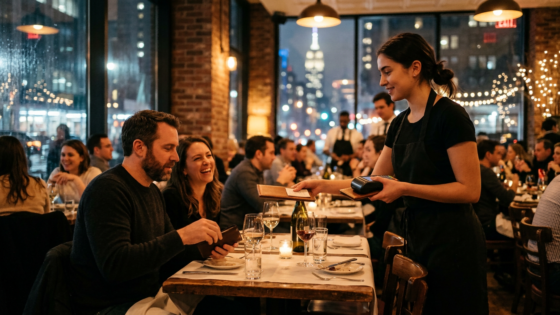
Birthday celebrants almost never dine alone. The typical birthday dinner party consists of 4–6 people, which means your birthday offer can generate an order 3–5x the size of a normal transaction from that customer. Research shows that guests spend up to 1.5x more per person during special occasion dining, and they’re significantly more likely to share the experience on social media — creating organic word-of-mouth marketing that costs you nothing.
For a Chinese takeout restaurant, the birthday opportunity often manifests as a large family order — a birthday dinner for someone in the household who doesn’t want to go out, or a party order for a small gathering. If your birthday offer includes a group-friendly incentive (free appetizer, family meal discount), you can capture this occasion reliably.
Loyalty and Long-Term Value
Anniversary messages — like those tied to a customer’s “join date” with your VIP program — boost guest return rates by up to 30%, and when tied to a broader loyalty program, they can increase customer lifetime value by 20–40%. The birthday campaign is typically the entry point: it collects the data (birth date), creates a memorable touchpoint, and establishes a pattern of personalized communication that customers come to expect and appreciate.
Collecting Birthday Data Without Making It Awkward
The only obstacle to running birthday marketing is getting the data in the first place. You need customers to voluntarily share their birth month and day (you don’t need the year). Done right, this is a brief, natural exchange. Done clumsily, it feels like an interrogation.
Collecting During Phone Orders
The phone order is your highest-trust customer moment. Someone who calls to order has already decided to spend money with you — they’re warm and engaged. Adding birthday data collection to your opt-in script is a natural extension:
“Last thing — we send our VIP customers a free gift for their birthday every year. If you don’t mind sharing your birthday month and day, I’ll add it to your account.”
Most regulars will happily share this. The key is framing it as a benefit (free gift) rather than a data request. Make birthday data optional, not required — you don’t want it to be a barrier to joining your SMS list. Some customers simply won’t want to share it, and that’s fine.
Other Collection Points
Your online ordering confirmation page can include a quick birthday field: “Add your birthday for an annual surprise from us.” Your in-store QR code opt-in form can include it as an optional field with a note explaining what it’s for. Over time, as customers experience the birthday reward and tell others about it, organic data collection will increase — people will proactively ask to be added.
Designing Your Birthday Offer
The offer is the heart of the campaign. It needs to feel genuinely generous — not a 5% discount that requires a $50 minimum — while being sustainable for your margins at scale.
| Offer Type | Best For | Typical Conversion | Margin Impact |
|---|---|---|---|
| Free appetizer | Any order size | High | Low (appetizers are high-margin) |
| Free dessert | Dine-in and takeout | High | Low |
| $10 off next order | Higher-value regulars | Medium | Moderate (capped discount) |
| Free entrée with group order (4+ people) | Birthday party orders | Medium-High | Low (offset by large group order) |
| Birthday surprise (chef’s choice small gift) | All VIP customers | Very High (surprise element) | Very Low |
The “chef’s surprise” approach is particularly worth noting: instead of advertising a specific item, you tell the customer “we’ll include a surprise birthday treat with your order.” This builds anticipation, costs very little (a fortune cookie box, a small dessert, or a sample of something new), and creates a memorable moment that customers talk about. It’s also the lowest-cost option since you choose what to include.
Setting the Redemption Window
A birthday offer that expires on the customer’s exact birthday will miss a lot of redemptions — people are busy on their birthday, they might be traveling, they might celebrate on a different day. The standard best practice is to make the offer valid for the entire birth month, sometimes with a two-week window before and after. This maximizes the chance the customer actually uses it while keeping the offer from running indefinitely.
Automating Birthday Messages: The Technical Setup
Manual birthday tracking falls apart quickly. Even with 50 customers on your VIP list, trying to remember to send birthday texts manually will result in missed birthdays and inconsistent timing. Automation is the only scalable approach.
What You Need
An SMS marketing platform with automation support (most major platforms include this at basic tiers), a database of your subscriber birth month/day data, and a campaign template that you write once and the platform sends automatically on schedule. Marketing automation for restaurants has become significantly more accessible — most platforms can send birthday messages, win-back sequences, and loyalty nudges without requiring any technical expertise once they’re set up.
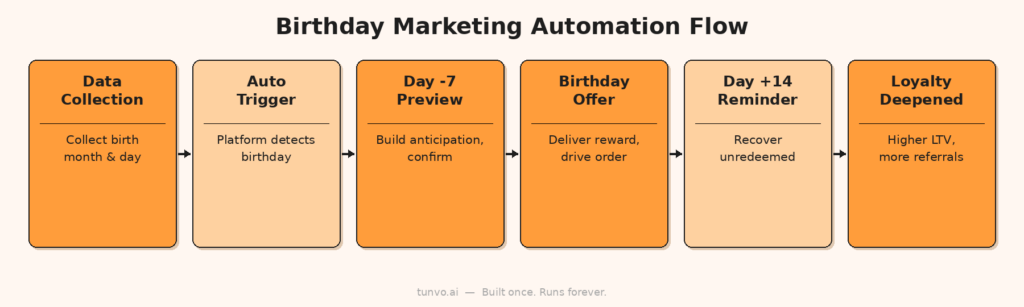
The Birthday Flow
A standard automated birthday sequence for a restaurant SMS program looks like this:
Day -7 (one week before birthday): “Hey [Name], your birthday is coming up! We have a special surprise waiting for you. Watch for your birthday text next week.” — This preview message increases excitement and the likelihood the birthday text gets opened.
Birthday day (or first day of birth month): “🎂 Happy Birthday, [Name]! Your free [appetizer/dessert/surprise] is waiting. Call us to order — valid all month. Just mention your birthday.” — This is the conversion message.
Day +14 (reminder if not redeemed): “Don’t forget your birthday gift! Your [offer] from us expires [date]. Call us anytime.” — A gentle nudge that recovers customers who saw the original message but got busy.
This three-step sequence typically doubles redemption rates compared to a single birthday message. Milestone-based automated flows like birthday sequences are one of the highest-ROI marketing automations a restaurant can set up — particularly because they require work only once, then run indefinitely.
Connecting Birthday Data to Your Call Flow
One dimension of birthday marketing that most restaurants overlook: when a VIP customer calls to redeem their birthday offer, the experience on the phone matters. If they call, get put on hold for five minutes during the Friday rush, and then have to explain their offer to a staff member who doesn’t know what they’re talking about, you’ve turned a high-goodwill moment into a frustrating one.
The Tunvo team has seen this pattern repeatedly with restaurants running promotions without the operational infrastructure to support them. The AI voice agent solves this by answering calls immediately — no hold time — and being configurable to recognize VIP keywords or birthday redemption codes, so the customer experience is seamless from text to order. See how Tunvo handles promotional call volume without adding staff.
Frequently Asked Questions
Should I ask for the birth year or just the month and day?
Just the month and day is sufficient for birthday marketing — and asking for the full date including year can feel unnecessarily intrusive. Some customers are also sensitive about their age. A simple “What’s your birth month and day?” gets you everything you need and creates less friction.
What if customers try to claim the offer multiple times?
This is rarely a problem in practice, but you can address it by including a redemption code in the birthday text that your staff marks as used, or by tying the offer to a customer account number in your loyalty system. For smaller operations without a formal system, the honor-system approach works fine — the occasional duplicate redemption is a minor cost compared to the loyalty value of the program.
How soon will I see results from a birthday program?
Since birthdays are spread across the year, you won’t see a concentrated spike of results in the first week. The program builds gradually. After 3–6 months of consistent operation, you’ll start to see measurable patterns: a base level of birthday redemptions every week, an increase in that customer’s subsequent order frequency, and potentially an increase in your average birthday order size as group orders roll in. Track these metrics separately from your regular promotions to get a clean read on birthday program ROI.
Can I run a birthday program without an SMS list?
Email-based birthday programs are also effective — 61% of recipients open emails with their name in the subject line, and email is appropriate for customers who prefer that channel. But SMS consistently outperforms email for restaurant birthday offers because of its immediacy and higher open rate. If you can only manage one channel, SMS is the better investment for a takeout-focused restaurant.
Birthday orders that come in by phone need to be answered. Tunvo’s AI voice agent handles every inbound call, recognizes your promotions, and pushes orders straight to your MenuSifu POS — so your birthday marketing delivers on its promise.